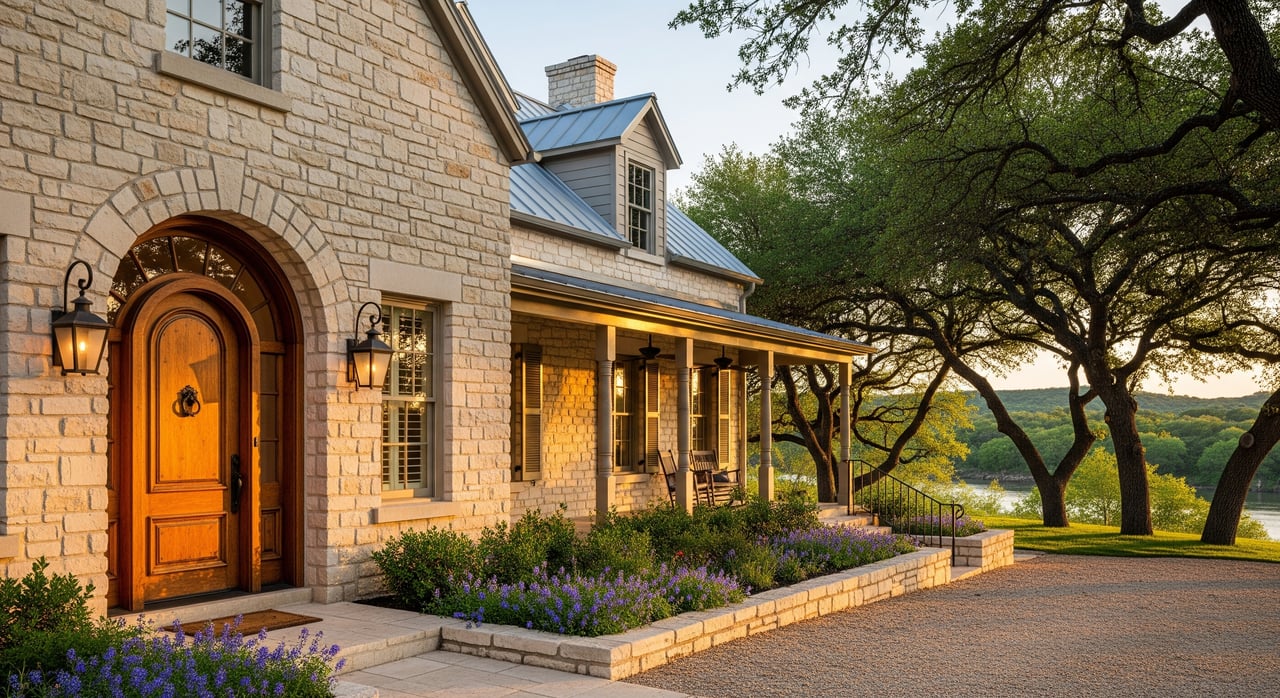
Thinking about selling your historic Blanco home this spring? You are not alone. Spring brings Hill Country wildflowers, better light, and more motivated buyers, which can make your property’s character shine. If you prepare with the right inspections, documentation, pricing, and marketing, you can attract serious buyers and move forward with confidence. Here is a clear plan tailored to Blanco’s smaller, specialized market. Let’s dive in.
Why spring works in Blanco
Spring in the Texas Hill Country, typically March through May, is a prime listing window. Landscaping looks its best, natural light is flattering, and buyers are active. Many households plan moves around the academic calendar, which brings added foot traffic to listings.
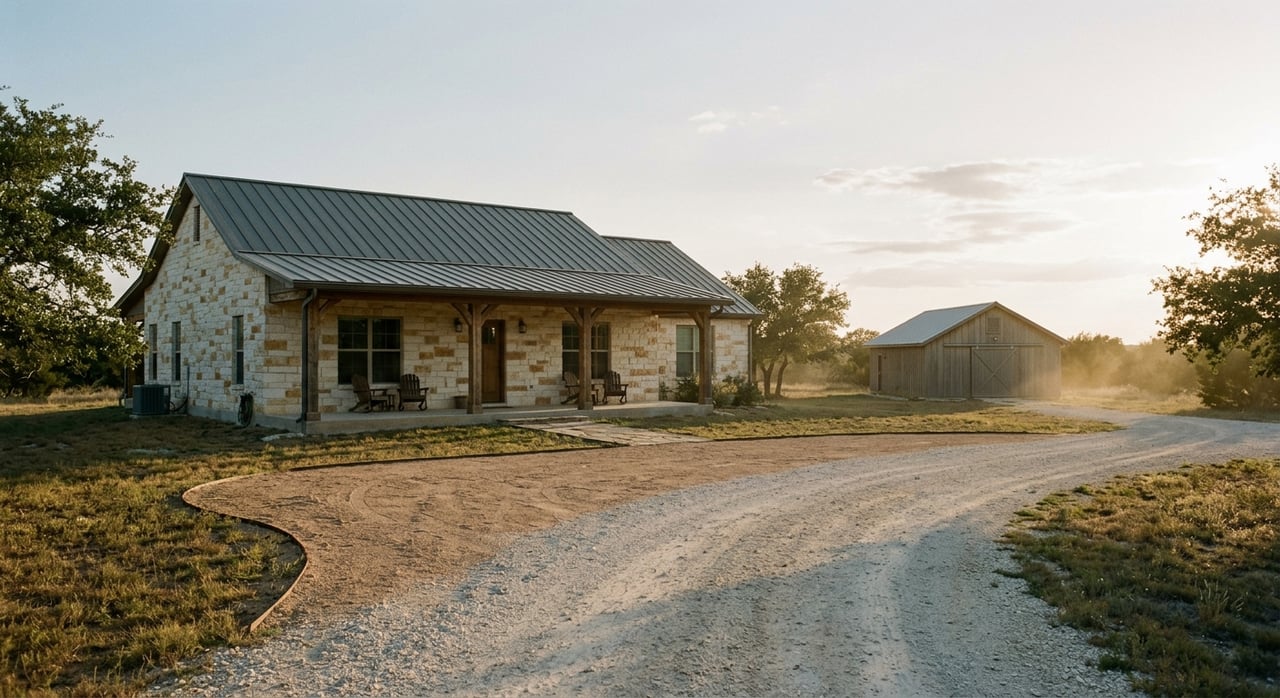
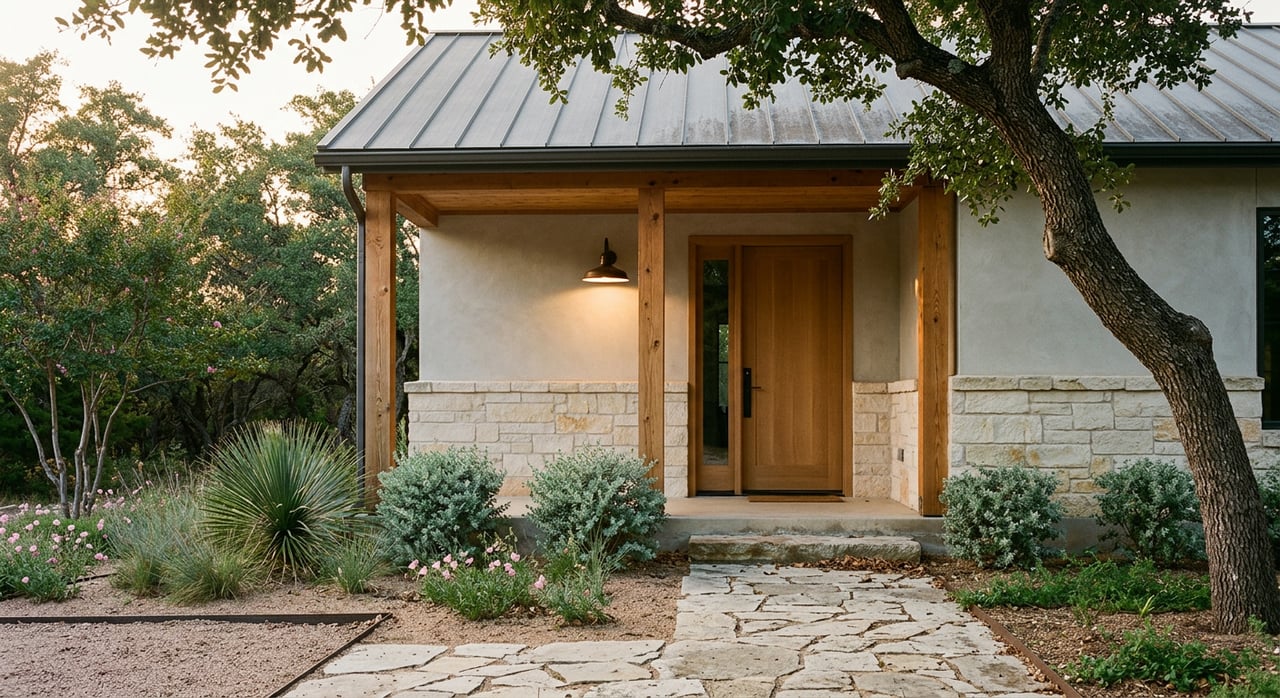
Historic homes also show especially well in spring. Fresh greenery frames porches and façades, and long daylight helps photographers capture architectural details. Start exterior prep early so your photos and showings land during peak curb appeal.
Get inspection-ready
Smart pre-listing inspections
Older homes reward early due diligence. Ordering inspections before you list reduces buyer uncertainty and helps you prioritize repairs. Strong options include:
- General home inspection for structure, roof, plumbing, electrical, and mechanical systems.
- Pest and wood-destroying organism inspection.
- Chimney and fireplace inspection if original.
- Structural engineer evaluation if you see settlement, movement, or other red flags.
- Historic-structure or preservation consultant review for significant features like original windows, masonry, or joinery.
- Lead-based paint disclosure and, if needed, testing for homes built before 1978, as required by federal rules.
- Flood risk check using current FEMA flood maps, especially if the property is near the Blanco River.
Keep the reports on hand. They add credibility and can be shared with qualified buyers to support decisions and timelines.
Decide repairs vs. restoration
Put health, safety, and core systems first. Electrical, gas, HVAC, roofing, and structural items affect livability and financing, so addressing these can widen your buyer pool.
For original materials, focus on preservation. Reversible upgrades are often best. For example, weatherstrip and repair original windows rather than replacing them outright. When you do complete work, document it with receipts and permits. Small cosmetic issues matter too. Touch up paint, refasten loose trim, and smooth minor plaster cracks so your home feels cared for without losing authenticity.
Build a buyer packet that earns trust
Historic home buyers want clarity. A thorough packet sets your listing apart and speeds decisions. Include:
- Deed and current title information.
- Surveys and property line information, including the most recent boundary or ALTA survey if available.
- A list of renovations and upgrades with dates and any permits pulled.
- Service records and ages of major systems such as roof, HVAC, and water heater.
- Inspection and engineering reports you completed before listing.
- A photographic record of original features and any restoration, including before-and-after images.
- Historic documentation such as prior appraisals, historic register listings or determinations, architectural plans, and verified notes on notable past owners.
- Required Texas disclosures, including the TREC Seller’s Disclosure Notice. For pre-1978 homes, include the lead-based paint disclosure information.
- Flood zone notes or drainage references if applicable.
Having this packet available in digital and printed form signals transparency and reduces surprises during option and escrow periods.
Pricing a historic home in a small market
Use the right valuation approaches
The sales comparison approach is the primary tool, but Blanco’s inventory of true historic homes is often limited. Expand your comp radius into nearby Hill Country communities and consider a longer sales timeline, then adjust carefully for condition, updates, lot size, and any designation.
A cost approach can serve as a reality check when direct comps are scarce. It estimates what it would cost to reproduce or replace the structure, minus depreciation, plus land value. The income approach only fits if you can document rental or short-term rental potential and plan to attract investor buyers.
What drives value in Blanco
Authenticity and intact historic fabric can bring a premium to buyers who value character. At the same time, a lack of modern amenities such as bathrooms, kitchen space, or efficient climate control can narrow the buyer pool and affect price.
Recent, sympathetic upgrades with permits usually support stronger pricing and easier financing. Location and lot attributes also matter. Proximity to downtown Blanco, the Blanco River, and Blanco State Park often adds appeal. Expect a longer marketing period than a typical suburban listing and price with patience in mind.
Understand designations, taxes, and incentives
Different historic designations carry different implications. Local landmarks or districts can involve design review for exterior changes. A National Register listing typically does not restrict a private owner unless federal funds or permits are involved, but it can enable certain federal incentives for income-producing rehabilitations.
Federal Historic Rehabilitation Tax Credits generally apply to certified rehabilitations of income-producing properties. State programs vary, and Texas has historically limited such incentives for owner-occupied residences. Always confirm current options with the Texas Historical Commission and your tax professional. For property tax questions, check with the Blanco County Appraisal District about any local exemptions or practices related to historic properties.
Photography and staging that honor character
Build a thoughtful shot list
Hire a photographer who understands historic homes. Ask for:
- Exterior angles showing the primary façade, roofline, entry, and street context, plus a twilight shot if it suits the property.
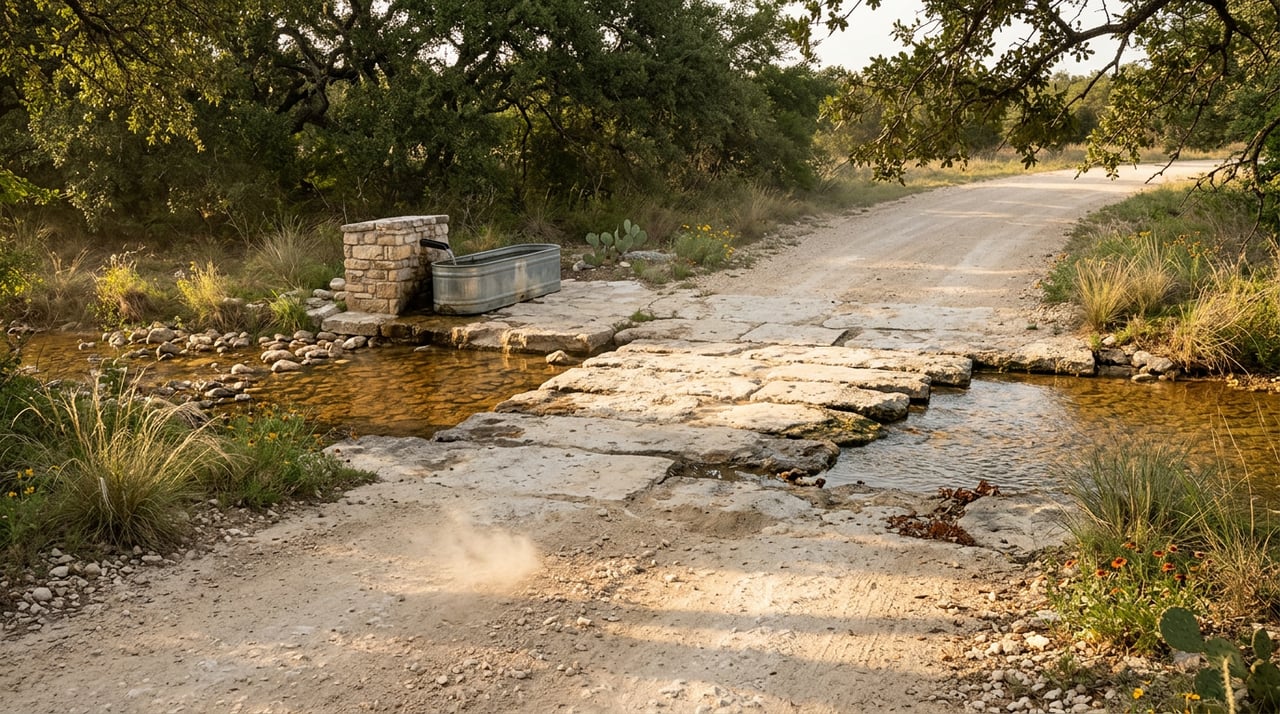
- Site features such as gardens, porches, outbuildings, fences, and views.
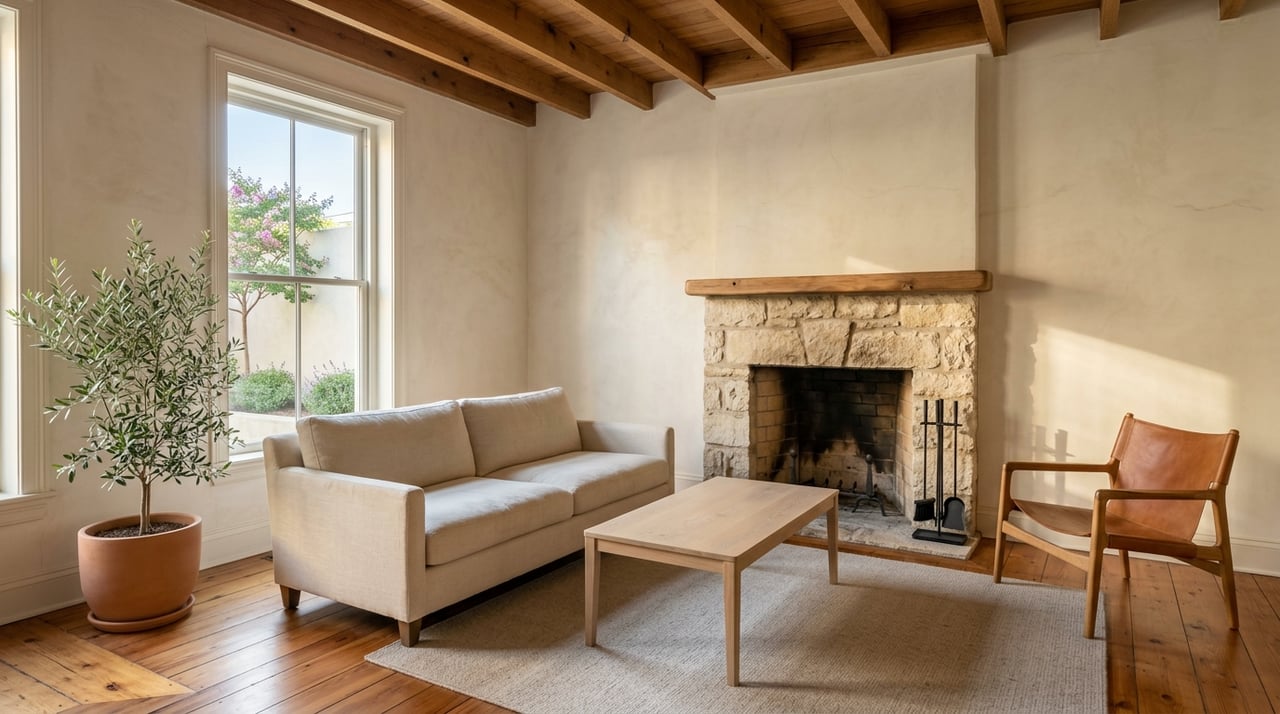
- Interiors of the main rooms and vignettes of original details like moldings, staircases, mantels, stained glass, and built-ins.
- Close-ups of hardware, floors, tile, and millwork to capture texture without over-editing.
- Practical transparency shots of mechanical rooms and service panels for serious buyers.
- A floor plan and a 3D walkthrough so buyers can understand period layouts.
- Drone imagery if acreage or setting is a selling point.
Stage to complement, not compete
Use neutral or period-appropriate furnishings that let original features take center stage. Declutter without removing built-ins or covering details. Re-glue loose trim, touch up worn paint in a color that suits the era, and refinish flooring rather than replacing it if feasible.
For curb appeal, prune and refresh beds, edge and mow, and consider seasonal Hill Country plantings. A tidy landscape frames the architecture and elevates first impressions.
Tell the story responsibly
Buyers respond to verified history. Use accurate terms such as “circa” for the construction year if it is not exact. Share the architectural style, documented restorations with dates and contractors, and context such as proximity to downtown or parks. Avoid claims that cannot be proven.
Provide your buyer packet and inspection summaries at showings. Transparency builds trust, especially for character properties.
Reach the right buyers
Likely buyer profiles
- Owner-occupant preservationists who value authentic materials and are ready to be good stewards.
- Move-down or second-home buyers from Austin and San Antonio drawn to Hill Country charm.
- Investors or operators only if the property fits local rules for income use, including any short-term rental considerations.
- Lifestyle buyers who appreciate access to Blanco’s downtown amenities, parks, and river.
Channels and tactics that work in Blanco
List on the MLS with a complete feature set and a downloadable buyer packet. Leverage syndicated exposure through major portals and your brokerage site. Target local and regional brokers who know historic inventory, preservation networks and historical societies, local newspapers, and regional lifestyle or architecture publications.
Build a visual campaign with professional photography, a 3D tour, and a floor plan. Consider a printed brochure for showings that highlights the property’s story and key documentation.
Showing strategy for historic finishes
Offer guided tours that explain recent upgrades, maintenance, and the care of original materials. Share your buyer packet in print and digital formats so visitors can review details at home. To preserve delicate finishes, consider appointment-only showings or virtual open-house events if traffic becomes heavy. You can also coordinate a preview with a local preservation group to reach motivated buyers.
A simple timeline to list by spring
6 to 8 weeks before listing:
- Order core inspections and any needed specialist assessments.
- Gather deed, surveys, permits, renovation records, and assemble your buyer packet.
- Contact the City of Blanco and Blanco County for permit history or designation notes.
4 to 6 weeks before listing:
- Complete high-priority repairs related to safety or systems.
- Finish cosmetic preservation tasks and stage rooms with a light, authentic touch.
- Schedule professional photography to capture peak spring curb appeal.
2 to 4 weeks before listing:
- Request a comparative market analysis and, if useful, consult an appraiser with historic experience.
- Finalize your marketing plan with MLS, print pieces, virtual tour, and targeted outreach.
- Prepare required disclosures and confirm the latest TREC forms.
Showings through closing:
- Provide your buyer packet at tours and respond quickly to document requests.
- Keep up with maintenance to protect finishes and systems during the marketing period.
How CC Herber Co. can help
Selling a historic home is equal parts market knowledge and stewardship. With deep Hill Country roots dating to 1979, our team pairs local credibility with boutique marketing. We offer consultative valuations, MLS syndication, virtual tours, and curated campaigns that present your home’s story with care.
Our approach blends professional digital exposure with a Main Street presence, so your listing reaches both out-of-area audiences and qualified local buyers. If your Blanco property has unique land or access considerations, our technical understanding of Hill Country land economics helps you navigate details with confidence.
If you are weighing a spring sale, we can help you prioritize inspections, refine pricing, and prepare a buyer packet that builds trust. Start with a conversation. Schedule a Consultation with CC Herber Co., Real Estate.
FAQs
Does a National Register listing limit changes to a private Blanco home?
- Generally, a National Register listing does not restrict a private owner’s changes unless federal funds or permits are involved; local landmark rules can require design review, so check local ordinances.
What inspections should I get before selling a pre-1978 historic home?
- Order a general home inspection, pest inspection, and any needed specialist reviews, plus complete the required federal lead-based paint disclosure and consider testing.
How do I price a historic Blanco property with few comparable sales?
- Use expanded-area comps and adjust for condition and upgrades, add a cost approach as a check, and plan for a potentially longer marketing timeline to reach the right buyer.
Are there tax incentives for restoring a historic home in Texas?
- Federal credits primarily apply to certified rehabilitations of income-producing properties; confirm current options with the Texas Historical Commission and consult a tax professional.
Should I replace original windows before listing a historic house?
- Often no; repairing and weatherizing original windows preserves character and can appeal to buyers, while replacements may reduce historic value unless done sympathetically.