Buying your first Hill Country ranch is exciting, but it is not the same as buying a home in town. In Mason County, soils, wells, access, and tax status can make or break a deal. This guide gives you a simple, local checklist, trusted data sources, and the key red flags to watch for. You will leave with a clearer path to evaluate any tract with confidence. Let’s dive in.
Mason County at a glance
Mason County sits on the Edwards Plateau and Llano Uplift, so you will see limestone hills, granite outcrops, and broad, dissected plateaus. Elevation runs roughly 1,300 to 2,200 feet, which affects drainage, road building, and where a home site may fit best. The county is large and rural, with ranching, wildlife habitat, and low-density residential uses shaping the market.
A signature public area is Mason Mountain Wildlife Management Area. Its habitats mirror much of the county and highlight the region’s wildlife potential. You can glimpse local species and management approaches by reviewing the TPWD Mason Mountain WMA brochure.
Soils: build sites, roads, septic
Soils drive what you can build and how you can use the land. In this part of the Hill Country, shallow limestone or granite-derived soils are common. That can limit septic siting, road stability, and forage production if depth to rock is tight.
Start with the free USDA tool. Map your exact tract and review septic, building, pond, and erosion interpretations on the NRCS Web Soil Survey. Then ground-truth high-potential areas. Walk likely building sites, dig shallow test pits to check depth to rock, and schedule a licensed septic site evaluation before you rely on a location for a home.
Red flags to note:
- Rock at less than 18 to 24 inches across broad areas.
- Steep slopes plus shallow soils that point to erosion or major site-work costs.
Water: wells, aquifers, and tests
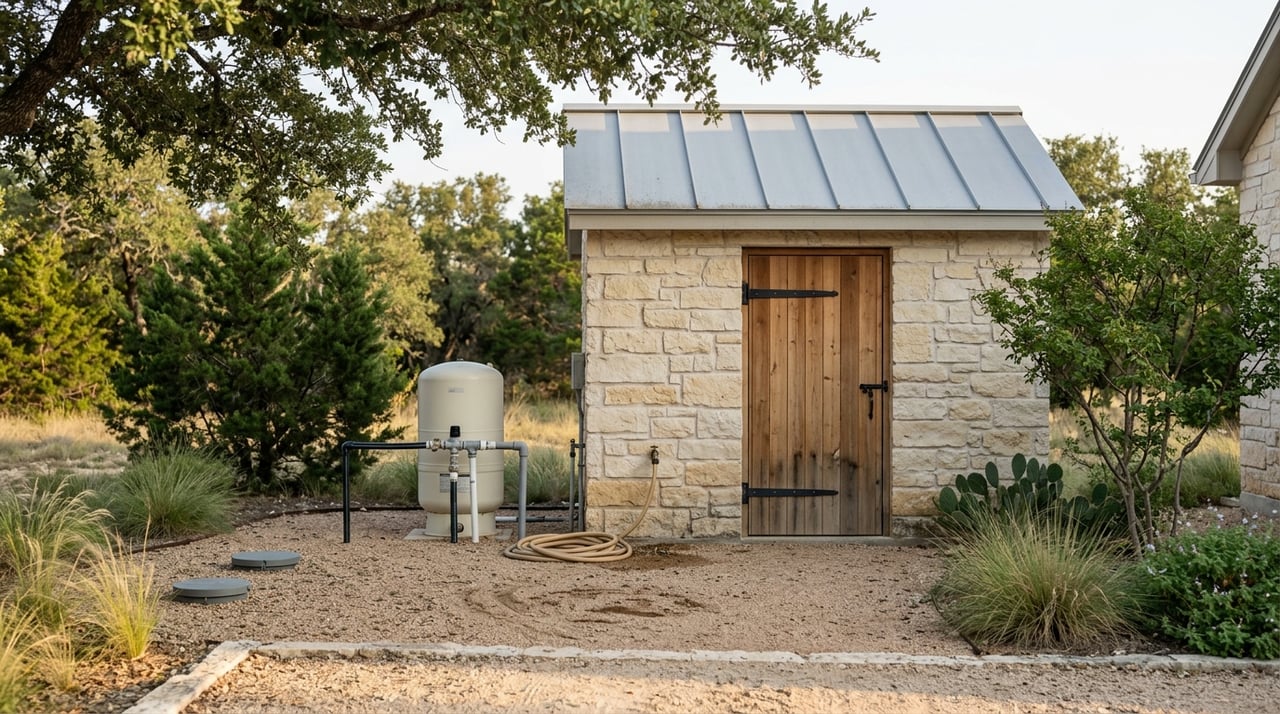
Groundwater is the primary source for domestic and stock water in Mason County. A key local aquifer is the Hickory Aquifer, which can produce good water in places, but some zones show naturally high iron or radioactivity. Always verify yield and quality, not just the presence of a well. Learn about the aquifer’s traits on the TWDB Hickory Aquifer page.
For any parcel, request well logs, pump test results, and recent lab reports from the seller. Cross-check nearby wells and driller reports using the TWDB Groundwater Data tools. Then call the local groundwater district for rules, permitting, and any pumping limits or advisories: Hickory Underground Water Conservation District.
Quick water due-diligence steps:
- Confirm static water level, tested yield in gallons per minute, and lab quality results.
- Ask for the driller’s report and service records for pumps and pressure tanks.
- If yields are low, plan for storage and re-test with a licensed contractor.
Watch-outs:
- No driller’s report or missing pump test and water-quality data.
- Very low historic yield that will not support your planned use without storage.
Grazing capacity and forage
A ranch’s carrying capacity is not a single number. It depends on grazable acres, plant community, rainfall, brush cover, and management. Hill Country native range often supports fewer animal units per acre than improved pasture, so use a measured approach.
Follow the step-by-step method in Texas A&M AgriLife’s guide, which explains how to inventory forage and set a conservative stocking rate: Stocking Rate Decisions.
Practical steps:
- Map grazable acres and exclude steep, rocky ridges or dense juniper.
- Estimate average forage production and apply a conservative use rate.
- Ask for past grazing records and any lease history.
Wildlife potential and tax valuation
Mason County supports white-tailed deer, turkey, dove, and a wide range of native birds. Habitat diversity can be strong, as the Mason Mountain WMA brochure shows. If you plan for hunting or conservation, review cover, water, food sources, and harvest records.
Texas allows wildlife management as a qualifying form of open-space (1-d-1) appraisal. If your property qualifies and you implement an approved wildlife management plan, you may materially reduce your annual tax burden. Confirm local requirements and documentation standards with the Mason Central Appraisal District, and coordinate your plan with TPWD guidance for your ecoregion.
Access, minerals, and improvements
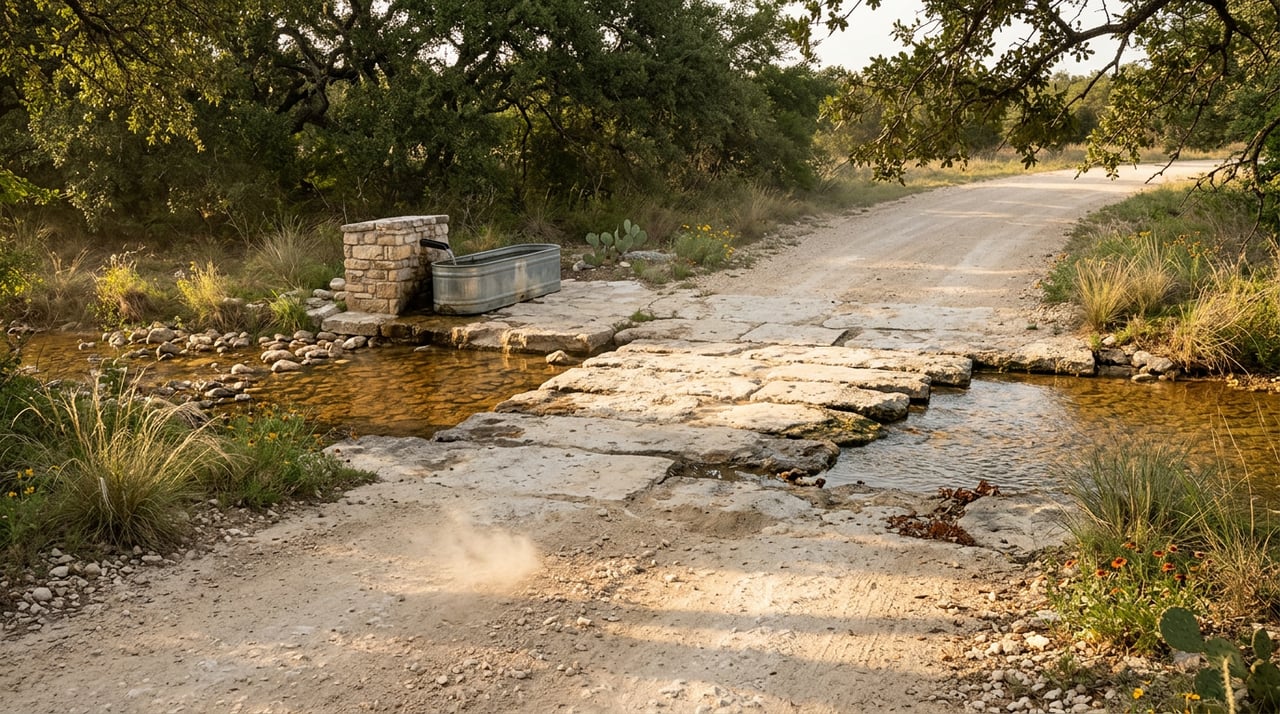
Access shapes value and usability. Confirm recorded legal access, whether by public road or private easement, and confirm year-round passability. Gate access without a recorded easement is a risk, so verify the right-of-way details.
Mineral rights in Texas are often severed. Review deed records for mineral reservations, oil and gas leases, and pipeline easements with the Mason County Clerk. If minerals are not conveyed, many buyers consider negotiating surface-use protections.
Inspect all improvements with documentation. Ask for well logs and service history, septic permits and inspections, fence condition notes, and electrical service details. For septic siting and repairs, review state rules and local contacts through TCEQ’s On-Site Sewage Facility guidance.
Pricing signals and how to value
Per-acre averages can mislead you. In Mason County, value moves with specific features: reliable water, live water or river frontage, quality fences and pens, interior roads, views, and proximity to town. Tract size also matters. Larger parcels often show lower per-acre pricing after a threshold.
Build a price band by pulling recent closed sales in Mason County and nearby counties, then segment by water, improvements, and size. Use county deed records and appraisal tools for public context, and rely on recent local comps for offers. Statewide rural land indices are helpful for direction, but parcel-level data wins when you set a bid.
Due-diligence checklist
Pre-offer checks:
- Confirm legal access and the exact gate location. Verify 911 address if available.
- Request the latest survey, title commitment or deed chain, mineral documentation, well logs and pump tests, lab water reports, septic permits, and recent tax bills.
- Run an NRCS soils map. Identify at least two potential home sites and septic areas.
Under-contract steps:
- Order title, survey, and a septic site evaluation for planned home sites.
- Schedule a well pump test and lab water analysis for domestic use.
- Inspect all structures, fences, pens, and interior roads.
- If you plan grazing, get a forage assessment by a rangeland or extension professional.
- If you want wildlife valuation, set a TPWD-aligned management plan and confirm appraisal district requirements.
Build your professional team:
- Experienced local land broker, title company, and surveyor.
- Licensed well contractor and septic professional.
- Rangeland consultant and a TPWD or private wildlife biologist if needed.
Red flags to pause a deal
- No recorded legal access or unclear easements.
- Missing well logs, pump tests, or septic permits for existing systems.
- Very shallow, rocky soils across large areas that limit septic or pasture.
- Active mineral leases with broad surface-use rights and no protections.
- Groundwater rules or conditions that limit your planned use.
Ready to evaluate specific Mason County tracts or want help organizing due diligence? Tap our local experience and land know-how. Schedule a conversation with CC Herber Co., Real Estate to line up the right steps and resources.
FAQs
How many acres per cow in Mason County?
- It varies widely with soils, brush, rainfall, and management. Use an on-site forage inventory and a conservative stocking method rather than a single rule of thumb.
What should you check about water wells in Mason County?
- Ask for the driller’s report, pump test results, and a recent lab analysis. Verify nearby well history in public databases and confirm any local groundwater district rules.
Do mineral reservations affect ranch use in Texas?
- Yes. Minerals often are severed. Review deed records and any leases, and consider negotiating surface-use protections to avoid conflicts with ranch operations.
Can you qualify for wildlife management valuation in Mason County?
- If the property qualifies and you follow a documented wildlife plan that meets local standards, you can apply for open-space appraisal using wildlife management with the appraisal district.
How do you confirm legal access to a ranch tract?
- Verify recorded access via public road or easement in the deed records, match it to the survey, and confirm that the road is passable year-round for your planned use.