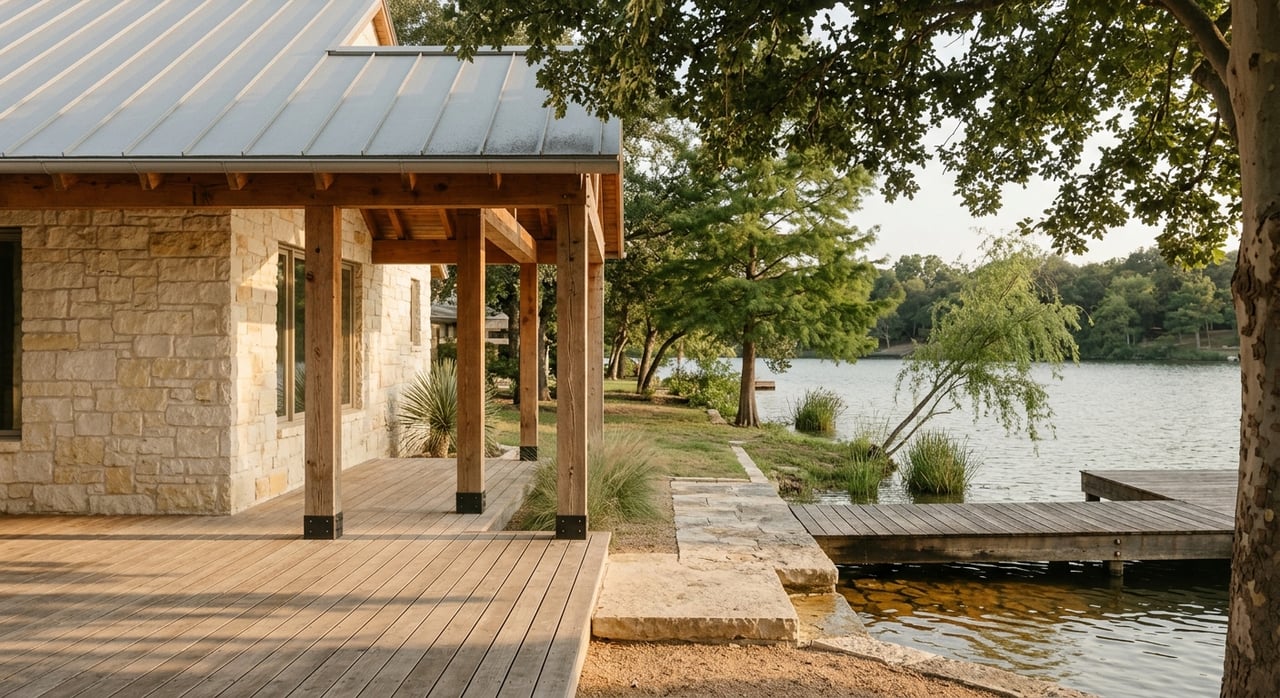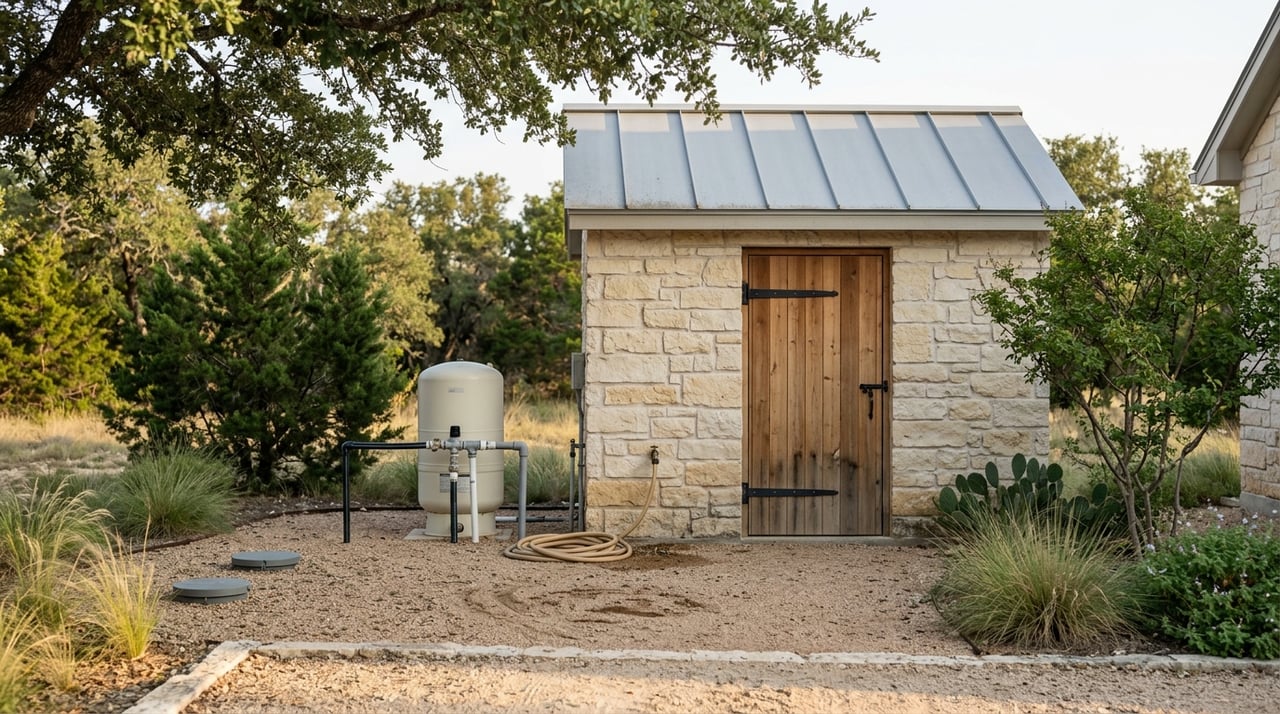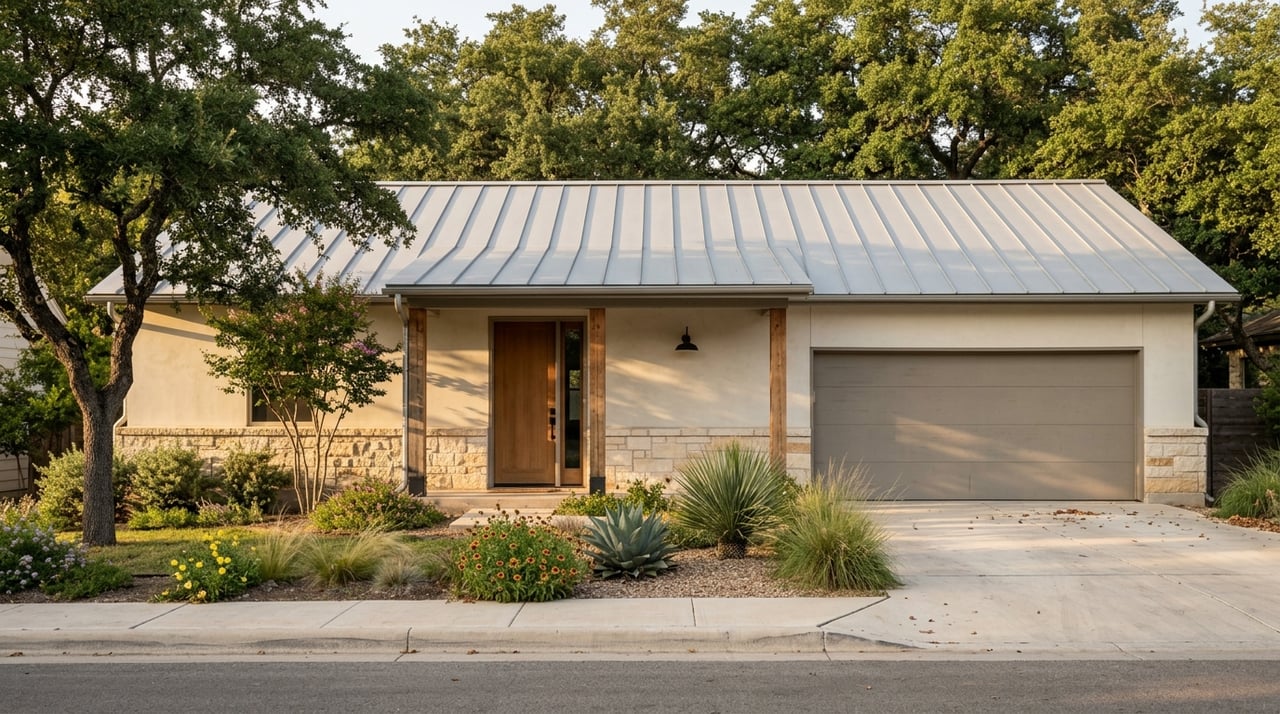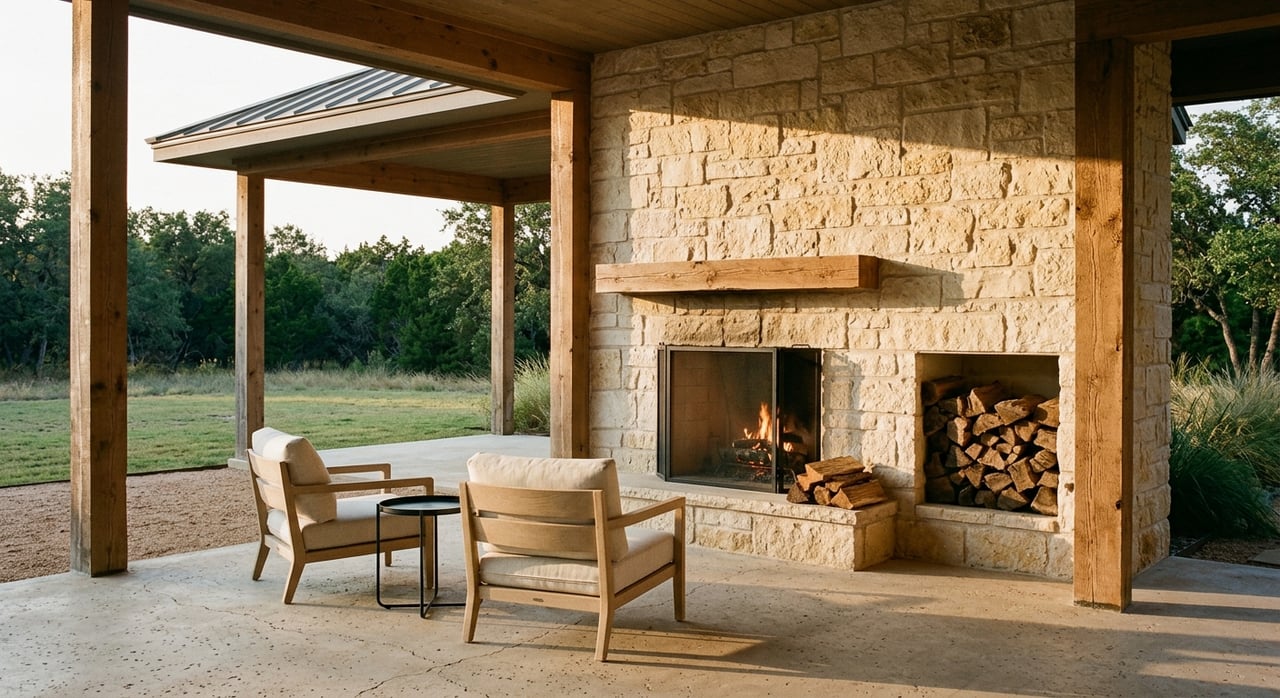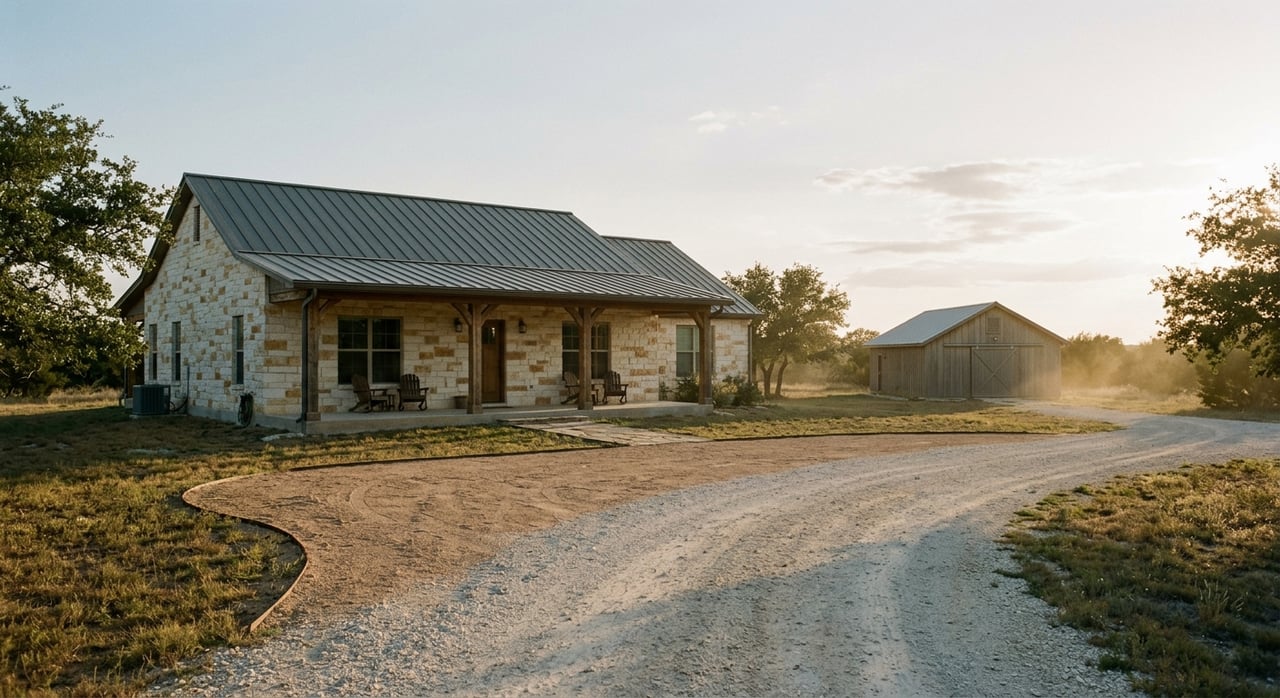
Selling a ranch near Harper is not the same as putting a house on the market. You are preparing land, access points, utility records, and a paper trail that buyers will want to review closely. The good news is that a step-by-step plan can make the process feel far more manageable and help your property show at its best. Let’s dive in.
Start With a Ranch-Specific Plan
A Harper ranch listing usually involves more than the home and the acreage count. In Gillespie County, sellers often need to think about appraisal records, well registration, septic paperwork, and any county-related access or right-of-way details before the listing goes live.
That is why your first move should be creating one simple pre-listing system. Use a binder, shared digital folder, or both, and organize it around four categories: property access, ag use, water, and septic. This gives you a clear roadmap and helps buyers feel confident that the property has been cared for.
Clean Up Access First
For many ranch buyers, the entrance sets the tone for the entire showing. If the driveway entrance, gate, fencing, or cattle guard looks neglected, buyers may assume the rest of the property has deferred maintenance too.
In Gillespie County, access improvements can also involve county requirements. According to the county's right-of-way permit application, a permit is required before constructing or modifying improvements in the public right-of-way, and the checklist calls for a site plan showing boundaries, easements, access points, and proposed improvements.
Focus on the Entrance Area
Before photos or showings, tidy the first stretch buyers will see. That usually means mowing along both sides of the drive, removing debris, repairing broken wire, straightening posts, and making sure gates open and close cleanly.
If you have equipment, trailers, or materials stored near the road, move them out of sight. A clean entrance helps the property feel functional and cared for from the start.
Check Gates and Cattle Guards
If a gate or cattle guard touches a public right-of-way, verify that it complies with county rules. Gillespie County's right-of-way regulations state that gates across public right-of-way must remain unlocked, locked public-easement gates require delivery of keys or codes, and cattle guards must meet county design and drainage standards.
This matters before listing because buyers may ask direct questions about legal access. It is better to clarify those details now than scramble for answers once a contract is on the table.
Gather County and Permit Records
Once the property looks cleaner outside, shift to the paperwork. Rural buyers often want to see records early, especially if there has been recent work involving drainage, driveways, septic systems, or utility access.
Gillespie County notes on its engineering and sanitation information page that a Development Permit Determination Form is required before certain development activity such as new construction, grading, or paving. The county also states that floodplain determinations must be completed by the County Engineer before septic applications are considered complete.
Pull Receipts and Approvals
If you have completed any of the following in recent years, gather the related records before going live:
- Driveway work
- Drainage reshaping
- Septic repairs or changes
- Utility line work near access points
- Gate or cattle guard improvements
These records can help answer buyer questions quickly and reduce uncertainty during due diligence.
Build an Ag-Use File
If your ranch has agricultural valuation, this is one of the most important parts of your prep. In Texas, ag appraisal is based on qualifying use rather than ownership alone.
The Texas Comptroller explains that qualified agricultural or open-space land is appraised based on productivity value rather than market value, and the land generally must have been devoted to agricultural or timber production for at least five of the prior seven years. The Comptroller also notes that if land stops being used for agriculture, the owner must notify the chief appraiser by April 30 following the change, and rollback tax exposure can apply. You can review that guidance on the Texas Comptroller's ag and timber appraisal page.
What to Include in the Ag Folder
Your ag-use file should make it easy for a buyer to understand how the tract has been used. Helpful records may include:
- Current and prior ag appraisal approvals
- Grazing records
- Hay production records
- Lease agreements
- Wildlife management notes
- Fence repair records
- Irrigation or water-system work records
This list is consistent with how rural buyers and lenders often review acreage history, based on the appraisal framework described by the Texas Comptroller.
Do Not Assume Ag Valuation Transfers
A common mistake is assuming the buyer will automatically keep the same ag status after closing. Gillespie CAD's current Application for 1-d-1 Agricultural Use Appraisal states that a new application is required when ownership changes.
That means your role as a seller is not to promise future tax treatment. Instead, hand over an organized ag file so the buyer has the information needed to continue the process with the appraisal district.
Organize Well Records Early
Water matters on any ranch, and buyers usually want details fast. If your property has one or more wells, gather the registration records and any related logs as early as possible.
The Hill Country Underground Water Conservation District says that all wells in Gillespie County must be registered with the district. It also states that domestic and livestock wells use the exempt-registration form, while commercial, irrigation, municipal, and public-supply wells require permits. You can verify those details on the district's well registration information page.
Include These Well Documents
Try to assemble:
- Well registration information
- HCUWCD well number, if available
- Driller log copies
- Pump or repair records
- Water-system service history
The district notes that it can often provide driller logs if you provide the HCUWCD number, though older wells may have incomplete records. It also explains that wells drilled before 1965 were not required to file driller logs with the state, which is why some older files are limited. That guidance appears on the district's well records page.
If your well paperwork is incomplete, it is still worth contacting the district and gathering whatever historical information is available.
Put Septic Paperwork in One Place
Septic documentation is another area where rural transactions can slow down if records are missing. Buyers want to know whether the system was permitted, serviced, and repaired properly.
The Texas Commission on Environmental Quality states that a permit and approved plan are required to construct, alter, repair, extend, or operate an on-site sewage facility. You can review that requirement on the TCEQ OSSF permits page.
Keep a Simple Septic Packet
Your septic folder should include:
- Permit documents
- Approved plans
- Service contracts
- Inspection reports
- Pump-out records
- Repair receipts
Having these records ready can make your listing feel more transparent and lower stress once the buyer begins inspections.
Prepare the Seller's Disclosure Carefully
Before the property goes live, take time to write down known issues and past repairs. This step is especially important on rural property, where questions may involve wells, septic, drainage, roofing, foundation movement, or recurring access concerns.
The Texas Real Estate Commission's current Seller's Disclosure Notice is required for sellers of previously occupied single-family residences in contracts entered into on or after Sept. 1, 2023. Completing it carefully is one of the best ways to set clear expectations and avoid surprises later.
A practical approach is to make notes while you gather records. That way, your disclosure is based on dates, receipts, and known history rather than memory alone.
Make the Property Photo-Ready
Once your records are in order, turn back to presentation. Online marketing plays a major role in how buyers first experience your ranch.
The National Association of REALTORS® reported in its 2025 staging report that 83% of buyers' agents said staging made it easier for buyers to visualize a property as a future home. NAR also reported that 81% of buyers rated listing photos as the most useful feature during an online home search, and 29% of buyers' agents said staging increased the dollar value offered by 1% to 10%. You can read more in NAR's 2025 staging report summary.
Prioritize the Right Images
For a Harper ranch, your strongest first-photo set will often focus on:
- The residence exterior
- The porch and front entry
- The entrance drive
- The barn front
- The best land-view angles
These areas often carry the listing online and shape whether a buyer decides to schedule a showing.
Remove Visual Noise
Ranch staging is usually less about decorating and more about order. Before photography, hide feed sacks, hoses, trailers, parked equipment, and loose materials. Clean windows, open blinds, align barn doors and gates, and mow before photos are taken.
The goal is to show the property as functional, maintained, and easy to understand.
Use a Final Pre-Listing Checklist
Right before launch, walk the ranch as if you were seeing it for the first time. Start at the road, continue through the entrance, and then move to the home, barn area, and major land features.
Use this quick checklist:
- Entrance mowed and cleaned
- Gates working properly
- Fencing visibly repaired where needed
- Equipment and debris removed from key views
- Ag records organized
- Well records gathered
- Septic records gathered
- Permit and repair receipts collected
- Seller's disclosure notes prepared
- Home and land ready for photos
A ranch sale is smoother when the physical condition and the paperwork tell the same story.
Why Preparation Matters in Harper
In the Harper area, buyers often look beyond finishes and square footage. They want to understand access, land use, water, and basic operating history. That is why preparing a ranch to sell is both a cleanup project and an information project.
When you take care of both, your listing is easier to market, easier to explain, and easier for a buyer to evaluate with confidence. If you are getting ready to sell a Harper ranch and want local guidance on pricing, presentation, and the records that matter most, CC Herber Co., Real Estate can help you prepare a thoughtful plan that fits your property and your timeline.
FAQs
What records should you gather before selling a Harper ranch?
- You should gather ag-use records, well registration or driller log information, septic permits and service records, county permits or approvals for access or site work, and notes for the seller's disclosure.
Does ag valuation automatically transfer to a buyer in Gillespie County?
- No. Gillespie CAD's application states that a new application is required when ownership changes, so you should provide the buyer with organized ag-use records rather than assume the tax status transfers automatically.
What should you fix first when preparing a Harper ranch for sale?
- Start with the entrance, driveway edges, gates, fencing, and visible debris because buyers often form their first impression from the access point and road frontage.
What if your Gillespie County ranch well has missing paperwork?
- The Hill Country Underground Water Conservation District may still have partial historical information or a driller log if you can provide the HCUWCD number, though older wells may have incomplete records.
Why does septic paperwork matter when selling a Harper ranch?
- Septic paperwork helps buyers confirm that the system was permitted and maintained, which can reduce delays and questions during inspections and due diligence.