Wondering how to price a historic home in Fredericksburg right now? You are not alone. Selling an older property near downtown can feel tricky because buyers are weighing charm, condition, approvals, and possible short-term rental use all at once. If you understand what the market is rewarding today, you can price with more confidence and avoid chasing the market later. Let’s dive in.
What makes a Fredericksburg home historic?
In Fredericksburg, “historic” is not just about a home being old. The City of Fredericksburg’s Historic Preservation program explains that local historic district rules apply to exterior changes, and the city’s district map was adopted on June 17, 2019. The National Register district is separate and is identified by the Texas Historical Commission.
The city’s adopted design guidelines are used to review exterior changes and new construction in the local historic district and for local landmarks. These guidelines are based on the Secretary of the Interior’s Standards for Rehabilitation, which means buyers and sellers should pay close attention to how exterior work fits the property’s historic character.
The city also distinguishes between contributing and noncontributing properties in its appendices and glossary. A contributing property adds to the district because it dates to the period of significance, 1846 to 1968, and still retains physical integrity. A noncontributing property may have been built later or changed enough that it no longer reflects that historic character.
Why district status affects price
For pricing, district status matters because buyers are often paying for more than square footage. They are also paying for a home’s place within Fredericksburg’s historic fabric. If a home still presents as part of that story, it may appeal more strongly than a similar home that has lost key historic features.
At the same time, historic status can bring extra questions. Buyers may ask what work has been done, whether exterior changes were approved, and how much future review might be required. That means your pricing strategy should reflect both the home’s appeal and the level of complexity a buyer may inherit.
What buyers value most in historic homes
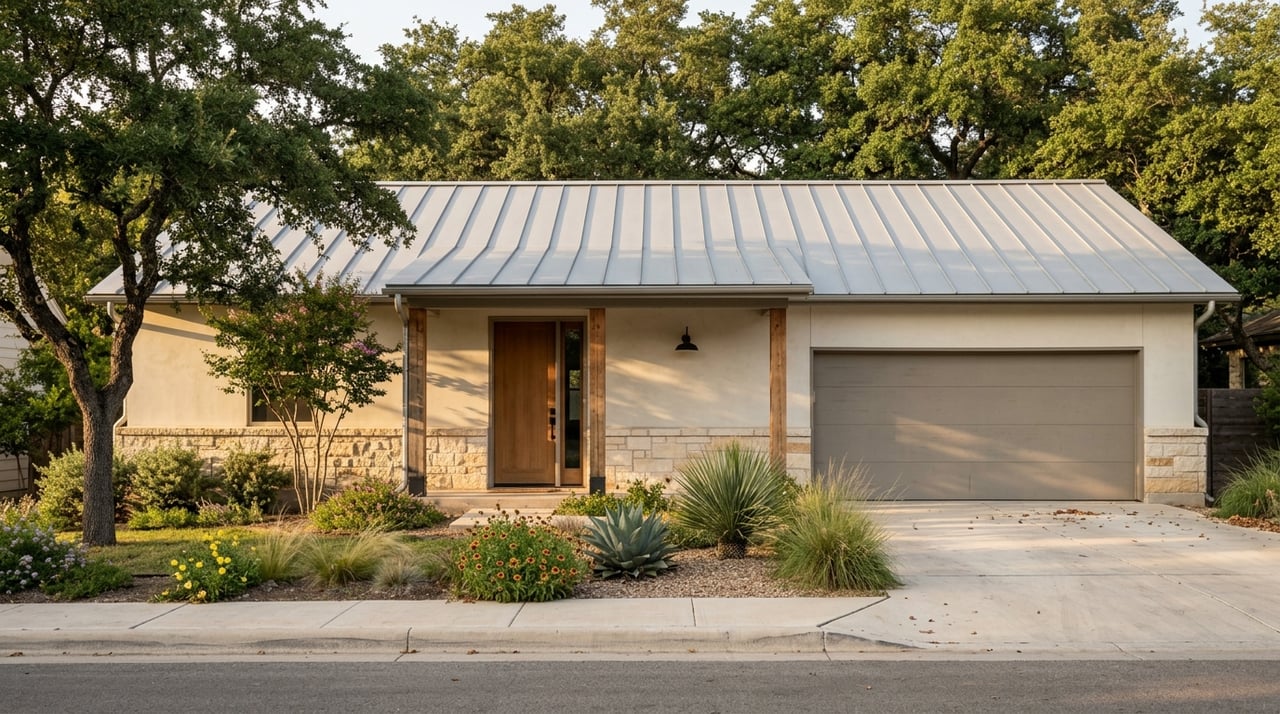
When buyers walk up to a historic home, they usually judge the visible details first. Fredericksburg’s design guidelines cover many of the same features buyers notice right away, including roofs, chimneys, porches, walls, doors, windows, awnings, landscaping, lighting, additions, and infill work. That makes renovation quality a major part of value.
The city states that its preservation rules and guidelines are intended to protect property values and maintain economic vitality. In practical terms, that supports the idea that thoughtful, well-documented rehabilitation can strengthen a home’s pricing story. On the other hand, visible deferred maintenance or work that does not fit the home’s character may weaken buyer confidence.
Renovation quality matters
If your home has had updates, buyers will want to know whether work was repaired or replaced, and whether it preserved visible historic character. That distinction matters because the city notes that survey ratings can change if rehabilitation affects architectural integrity. In other words, not all updates add value equally.
Well-executed improvements can make a historic home easier to live in while still respecting its identity. That blend often matters more than a long list of upgrades. Buyers tend to respond to homes that feel authentic and functional at the same time.
Documentation helps support value
Exterior work can affect a sale beyond appearance alone. According to the city’s preservation page, some Certificate of Appropriateness requests can be approved administratively, while others require Historic Review Board approval and a fee. Buyers may ask whether changes were approved correctly, especially if the work involved windows, roofs, porches, additions, or facade changes.
That is why documentation can support pricing. If you can show copies of COAs, building permits, and records for exterior work, you reduce uncertainty. In a market where buyers have choices, clear paperwork can help your asking price feel more justified.
Downtown appeal is real, but nuanced
Historic homes near downtown often benefit from Fredericksburg’s visitor appeal and access to local amenities. Walkability is part of that story, but it should not be oversimplified. Walk Score for 100 W Main St shows a score of 69, which is described as somewhat walkable.
The city also benefits from heritage tourism. Visit Fredericksburg notes that free self-guided walking tour maps are available for the National Historic District, which includes more than 80 historic points of interest. That visibility can add appeal, especially for buyers who want to be near downtown activity.
Still, charm does not cancel out daily living needs. Buyers usually look closely at layout, parking, ease of access, and how comfortably an older home works for modern life. A historic cottage with limited parking or a choppy floor plan may not command the same premium as a similarly located home with better usability.
STR potential can change the buyer pool
In Fredericksburg, short-term rental potential can materially affect pricing because it may expand the set of interested buyers. The city states that a short-term rental permit is required for any dwelling rented for fewer than 30 days within city limits. STRs in the extra-territorial jurisdiction do not need a city permit.
Zoning matters too. The city’s STR FAQ says C1, C1.5, C2, and CBD zones allow all STR uses by right, except STR condominiums, which need a CUP. The city’s 2024 STR ordinance summary adds important limits, including that R2 is treated similarly to R1 with no new unoccupied STRs and no new facilities, R3 allows no STR type, and no new STR-condominiums are allowed.
Compliance details buyers notice
The same city summary outlines details that often affect value in real terms. Existing permits can transfer within 90 days of sale. Yearly inspections are required for renewal and when a permit transfers or the property is modified.
Parking and occupancy also matter. The ordinance summary says parking is one space per bedroom, tandem parking is allowed, on-street parking does not count, and maximum occupancy is 12. Each active STR must also have a 24-hour local contact.
If your historic home has clear STR entitlement, workable parking, and a straightforward compliance path, it may appeal to a different buyer pool than a similar home that can only function as a residence. That does not automatically mean a higher price in every case, but it can shape demand and pricing strategy.
Visitor demand is part of the equation
Fredericksburg’s broader lodging market helps explain why STR questions come up so often. The city’s comprehensive plan says B&B and STR rooms in Gillespie County have nearly tripled since 2012 and now total about 2,000 rooms, compared with about 1,200 hotel and motel rooms. That points to a meaningful visitor-lodging presence in the local housing equation.
For sellers, this means a pricing analysis should separate residential value from entitlement value. A property’s historic appeal, everyday livability, and STR status are related, but they are not the same thing. Buyers will often assign value to each piece differently.
What the current market means for pricing
The current Fredericksburg market appears active, but not especially fast. Realtor.com’s Fredericksburg overview shows 935 homes for sale in ZIP code 78624, a median home price of $729,500, median days on market of 84, and a median price per square foot of $388. Zillow’s Fredericksburg page shows an average home value of $504,637, down 3.9% over the past year, with 494 homes for sale and a median list price of $616,667 as of February 28, 2026.
Closed-sale data tells a similar directional story. The Central Hill Country MLS January 2026 report for Fredericksburg shows 9 closed residential sales, a median sale price of $460,995, 109 days on market, 173 active listings, and homes selling at 95.6% of original list price. Its existing-home segment was softer, with a median sale price of $402,500 and 9.7 months of inventory.
These sources measure different things, so they should not be treated as interchangeable. Still, the broad message is consistent: inventory is meaningful, marketing time can be longer, and sellers often need to negotiate off the original asking price. In that environment, precise pricing matters.
Why broad averages can mislead
A historic downtown home does not compete with every home in ZIP code 78624. It competes within a narrower group of buyers and properties. That is why broad citywide averages can be useful for context, but not enough for setting your list price.
For a historic Fredericksburg home, the strongest pricing approach is usually based on the closest peer set possible. That means looking at district status, renovation quality, lot usability, parking, and STR legality, not just bedroom count or square footage. Two homes can look similar on paper and still have very different market positions.
What to prepare before a pricing consultation
Before meeting with an agent, it helps to gather the details buyers are likely to ask about. The more complete your information is, the easier it is to build a pricing strategy that holds up under scrutiny.
Here is a practical checklist:
- Historic district status and whether the property is contributing, noncontributing, or an individual landmark
- Copies of Certificates of Appropriateness, building permits, and records for exterior work
- Notes on additions, window replacements, roof work, porch work, or facade changes
- If applicable, STR permit number, transfer history, parking count, occupancy limits, and local-contact arrangements
- A clear list of recent renovations that explains what was repaired versus replaced
This preparation helps frame the home’s story in three parts: historic character, practical livability, and entitlement value. In Fredericksburg, those pieces often work together, but buyers may weigh each one differently.
Pricing with strategy, not guesswork
Pricing a historic Fredericksburg home takes more than plugging numbers into a generic online estimate. You need to understand how local historic rules, visible condition, documentation, lot usability, and possible STR use shape buyer demand. In the current market, that level of detail matters because buyers have options and homes can take time to sell.
A careful, locally grounded valuation can help you avoid two common mistakes: pricing too high because of emotional attachment, or pricing too low and leaving value on the table. If you are thinking about selling a historic property in Fredericksburg, CC Herber Co., Real Estate offers personalized, locally informed guidance built around the realities of this market.
FAQs
How is a historic Fredericksburg home defined for pricing?
- A historic home’s pricing story depends on more than age. In Fredericksburg, buyers and agents look at whether the property is in the local historic district, whether it is contributing or noncontributing, and how well it retains historic integrity.
Does renovation quality affect the price of a historic home in Fredericksburg?
- Yes. Buyers often focus on visible exterior features such as windows, porches, roofs, doors, and additions, and they may pay closer attention when work appears well matched to the home’s historic character and properly documented.
Can short-term rental potential raise the value of a Fredericksburg historic home?
- It can affect value because it may expand the buyer pool, but the impact depends on zoning, permit status, parking, occupancy rules, and compliance details rather than location alone.
What market conditions matter when pricing a historic home in ZIP code 78624?
- Current data suggests a market with meaningful inventory, longer selling times, and sale prices that often come in below original list price, so accurate pricing and strong positioning are especially important.
What documents should a Fredericksburg seller gather before pricing a historic property?
- You should gather historic district information, COAs, permits, records of exterior changes, and if relevant, STR permit and parking details, because these items help support a more credible pricing strategy.