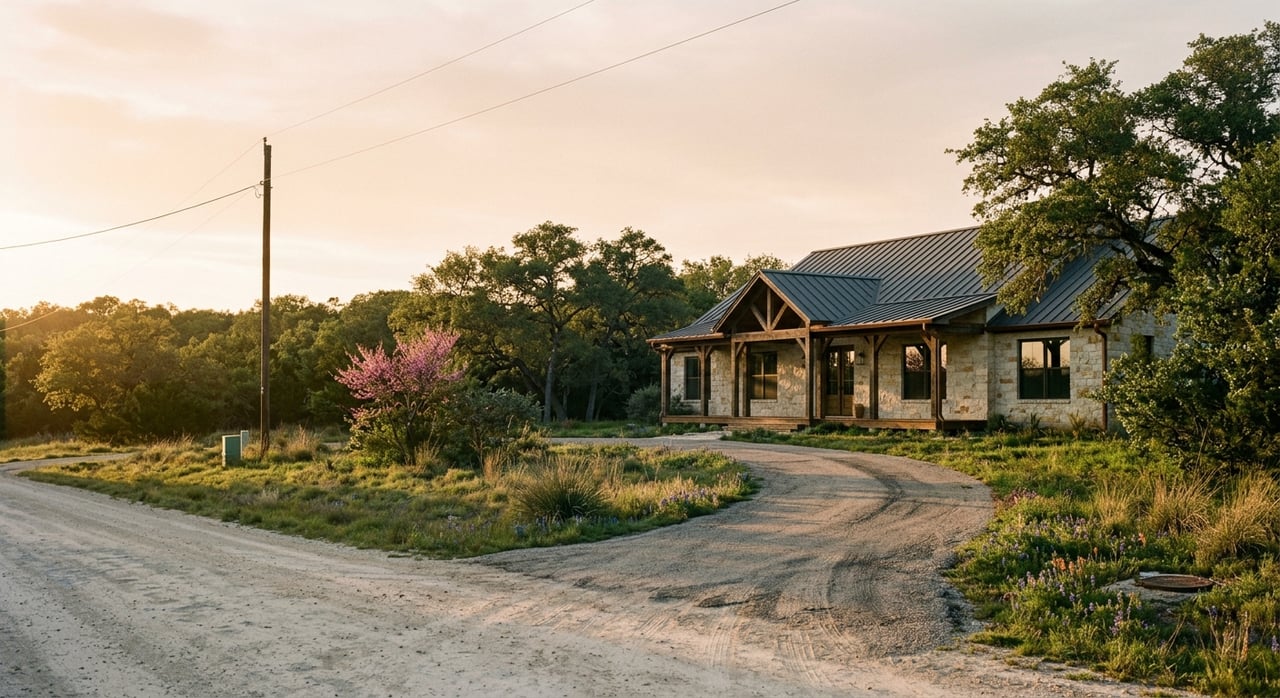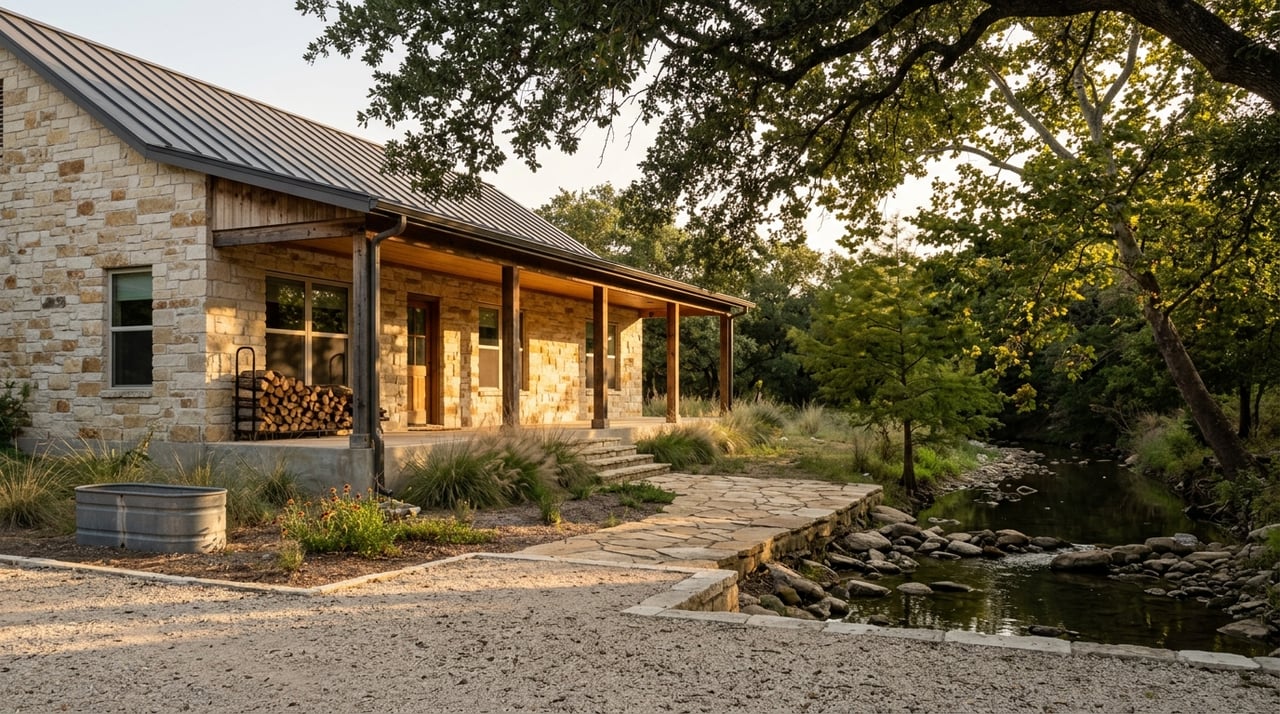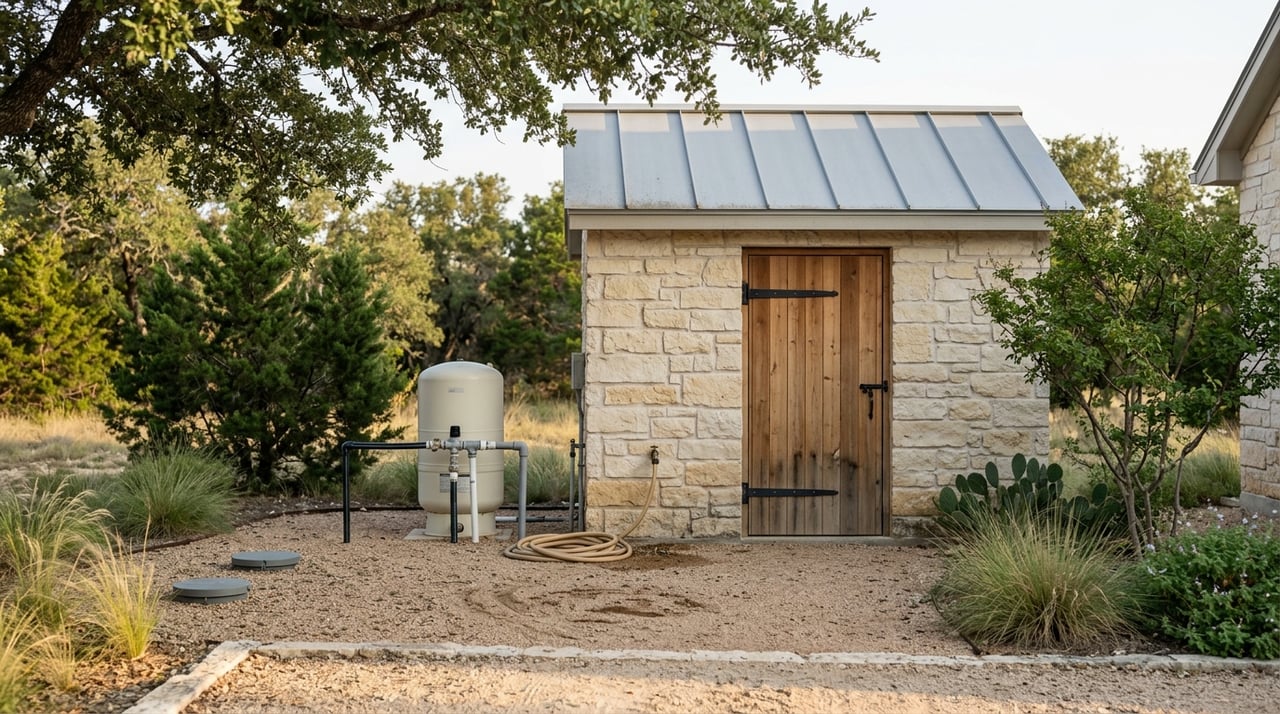
Buying a small acreage tract near Blanco can feel simple at first glance. You see the view, picture the house site, and imagine weekend mornings under wide Hill Country skies. But before you fall in love with the land, you need to know whether it can support the basics you may be counting on: water, legal access, wastewater service, and a realistic tax picture. Let’s dive in.
Why small acreage needs extra diligence
A 2 to 20 acre property near Blanco is often less about raw beauty and more about how the tract functions in real life. The key questions are whether you can drill or use a well, install an on-site sewage facility, reach the property legally and practically, and understand how the land will be taxed.
This matters even more on smaller tracts. In Blanco County, frontage, lot size, past land use, and utility constraints can affect whether a parcel works the way you expect. A scenic piece of land is not automatically a build-ready homesite.
Water near Blanco starts with groundwater rules
In Blanco County, groundwater is managed by the Blanco-Pedernales Groundwater Conservation District. The district identifies the Trinity Aquifer as a major local source and monitors water-level changes through a local well network.
For most buyers, the first takeaway is straightforward: private wells are regulated. Existing wells drilled on or before February 11, 2002 must be registered, and new wells must be registered before drilling. The district issues drilling authorization only after a complete, rule-compliant submission.
After a well is completed, the driller must file the state well report with the district within 60 days. Some wells also require operating permits, which means a buyer should not assume that every future well plan will be approved the same way on every tract.
Not every aquifer issue is simple
The district states that it will not issue an operating permit for a new well proposed to withdraw from the Edwards-Trinity (Plateau), Upper Glen Rose, or Marble Falls aquifers. If a proposed well passes through those aquifers but is intended to produce from a deeper source, the well must be grouted to prevent flow between aquifers.
That may sound highly technical, but the practical point is clear. Before you buy, it helps to understand what aquifers may be involved and whether your intended water plan fits district rules.
Water availability is not a guarantee
For subdivision-style purchases, Blanco County may require a Water Availability Report, pump-test data, nearby-well mapping, and water-quality analysis. The county also makes an important point: compliance with those rules is not a warranty that the property will meet current or future water needs.
That is worth pausing on. A tract may satisfy county requirements and still not offer the level of water production you hoped for. If a property depends on a private well, water diligence should be part of your early decision-making, not an afterthought.
Water quality deserves attention too
The groundwater district offers water-quality testing for bacteria, nitrates, hardness, and contaminants. If a tract has an existing well, or if you are evaluating a property that will depend on private groundwater, this kind of testing can be a smart part of your review.
In practical terms, buyers should think about both water quantity and water quality. A well is only part of the story.
Septic feasibility can shape the whole plan
If a tract will not connect to a public sewer system, you will likely need an on-site sewage facility, often called an OSSF or septic system. In Texas, these systems must be designed from a site evaluation that accounts for local conditions, and the site must be evaluated before the system is built, altered, extended, or repaired.
Blanco County is the authorized local agent for OSSF licensing and regulation, and county rules require a permit from the Blanco County Inspector’s Office before construction begins. If a subdivision uses individual systems, county rules also require notice that the buyer is responsible for obtaining approval and building the system before occupancy.
Acreage alone does not make septic easy
This is one of the most common misconceptions with rural land. More acreage does not automatically mean septic will be simple or inexpensive.
Soils, slope, floodplain conditions, and the location of the future homesite can all affect the type of system required. In some areas of Texas, conventional systems may not be feasible based on soil conditions, which means costs and design needs can change quickly from one tract to the next.
Think about the homesite, not just the lot lines
When you evaluate a small acreage parcel, it helps to ask where the house, driveway, well, and septic field would actually go. A tract may look generous on paper but still have limited usable area once setbacks, terrain, and drainage are considered.
That is why a small-acreage purchase should be viewed as a systems check. You are not just buying land. You are buying the tract’s ability to support the improvements you want.
Access and frontage can make or break a deal
Legal access is one of the most important issues in rural property. In Texas, landlocked property does not automatically come with a right to cross a neighbor’s land. Easements are the central legal tool for access to otherwise isolated land.
For buyers, that means you should not rely on a driveway path, a gate, or a long-used route as proof of legal access. The access rights need to be clear and documented.
Private roads have real rules
Blanco County’s development rules are especially practical when it comes to private-road subdivisions. Developers must submit a maintenance plan for private roads and easements, record it with the plat, and show who is responsible for maintenance and how it will be funded.
Private roads must also connect directly to a public road or another platted private road. If the road connects to an existing private road, the owner must show access rights and the ability to assign those rights to the new lots.
Gates must preserve emergency access
If gates are proposed on private roads, the county requires planning for emergency access. That includes a 40-foot turnaround outside the gate, or another county-approved turnaround, plus a gate override for power failure and a master key or code for emergency, school, and law-enforcement personnel.
For a buyer, this is another reminder that rural access involves more than a simple entrance. The road system and gate setup need to work for everyday use and county requirements.
Frontage rules matter on small tracts
Road frontage can directly affect whether a parcel works for your intended use. Under current Blanco County development rules, lots served by an individual water well and OSSF must generally have at least 5 acres and 250 feet of road frontage on a state highway, county road, or county-spec road.
In the county’s platting standards for subdivisions using individual OSSFs more broadly, the rule shown is 3 acres and 150 feet of frontage. The rules also state that no portion of a lot may be less than 60 feet wide where minimum frontage applies.
These are the kinds of details that can surprise buyers. A tract that seems large enough may still run into a frontage issue that affects buildability or subdivision potential.
Taxes and ag valuation need a reality check
Many buyers of Hill Country acreage ask whether a tract has an ag exemption. The more accurate term is usually a special appraisal based on productive capacity rather than market value, and that difference matters.
Blanco CAD explains that qualified land is taxed on what it can produce, not what it might sell for. The district also says new owners or first-time applicants should generally file by April 30, with up to 60 extra days available for good cause if requested before the deadline.
Rural land is not automatically ag-qualified
Blanco County’s 2026 agricultural guidelines are very clear on this point. Land does not qualify just because it is rural.
The district states that tracts of 10 acres or less are generally considered residential. Owners must show current principal agricultural use, local intensity, and a five-of-the-last-seven-years use history. The county also looks for evidence such as fencing, carrying capacity, and a commercial use pattern rather than a purely recreational one.
Wildlife management has its own threshold
Some buyers hope wildlife management will be an easier path. In Blanco County, wildlife management can work only when the tract already has 1-d-1 status.
The 2026 guidelines say a subdivided tract generally needs at least 20 acres to apply, while certain co-op or endangered-species cases can qualify at 12.5 acres. The plan must use at least three of seven wildlife practices, include the Texas Parks and Wildlife worksheet and a placement map, and be updated every two years.
Beekeeping may fit some smaller tracts
For some smaller properties, beekeeping is the most relevant path to special appraisal. Blanco County says beekeeping can qualify on land between 5 and 20 acres.
The county’s local standards call for 6 hives on 5 to 12.99 acres and 8 hives on 13 to 20 acres. Tracts below 5 acres do not fit the county’s beekeeping guidance.
Rollback taxes are important to understand
If qualifying agricultural use ends, the owner can owe rollback tax for the previous three years, and interest can apply in certain cases involving 1-d land changes. Also, land in an incorporated city or town can face added qualification hurdles, so parcels near or inside Blanco city limits should not be assumed to qualify the same way as rural county land.
Another practical point is continuity. Blanco CAD states that once a tract already receives agricultural or timber productivity appraisal, it usually does not need to be reapplied for every year unless the chief appraiser requests a new application. That makes title review and land-use history especially important during your buying process.
A smart buyer checklist for Blanco acreage
If you are considering a small acreage tract near Blanco, focus on a few core questions early:
- Is there an existing well, and is it properly registered if required?
- If you need a new well, what district approvals may apply?
- Does the tract have realistic water availability and acceptable water quality?
- Where can the homesite, septic area, and driveway actually go?
- Has the site been evaluated for OSSF feasibility?
- Does the property have clear legal access?
- Who maintains the road, and how is that maintenance funded?
- Does the tract meet applicable frontage and lot-width rules?
- Does any current ag or wildlife valuation truly qualify under Blanco CAD guidelines?
- Could a change in use create rollback-tax exposure?
A careful review upfront can save time, money, and frustration later.
Local guidance matters on Hill Country land
Small acreage near Blanco can be a wonderful fit for a homesite, weekend retreat, or long-term land purchase. But the best outcomes usually come from approaching the property with clear eyes and a local, technical mindset.
In this part of the Hill Country, the details matter. Water, septic, access, frontage, and tax treatment each follow their own rules, and the smallest tracts often leave the least room for assumptions. If you want help evaluating a property near Blanco with a practical understanding of Hill Country land, reach out to CC Herber Co., Real Estate to schedule a consultation.
FAQs
What should you check first when buying small acreage near Blanco?
- Start with water, septic feasibility, legal access, road frontage, and current tax valuation status, because each can affect whether the tract works for your plans.
Do small rural tracts near Blanco automatically qualify for ag valuation?
- No. Blanco CAD says land does not qualify just because it is rural, and tracts of 10 acres or less are generally considered residential.
Can you assume a private well near Blanco will meet your needs?
- No. Blanco County states that compliance with water-availability rules is not a warranty that a property will meet current or future water needs.
Do you need a permit for a septic system in Blanco County?
- Yes. Blanco County requires a permit from the Blanco County Inspector’s Office before OSSF construction begins.
Does a landlocked tract near Blanco come with automatic access rights?
- No. Texas guidance treats easements as the key legal tool for rural access, and landlocked property does not automatically gain a right to cross neighboring land.
Is beekeeping a possible tax-valuation path for smaller Blanco County tracts?
- Yes, in some cases. Blanco County says beekeeping can qualify on land between 5 and 20 acres if local hive requirements are met.