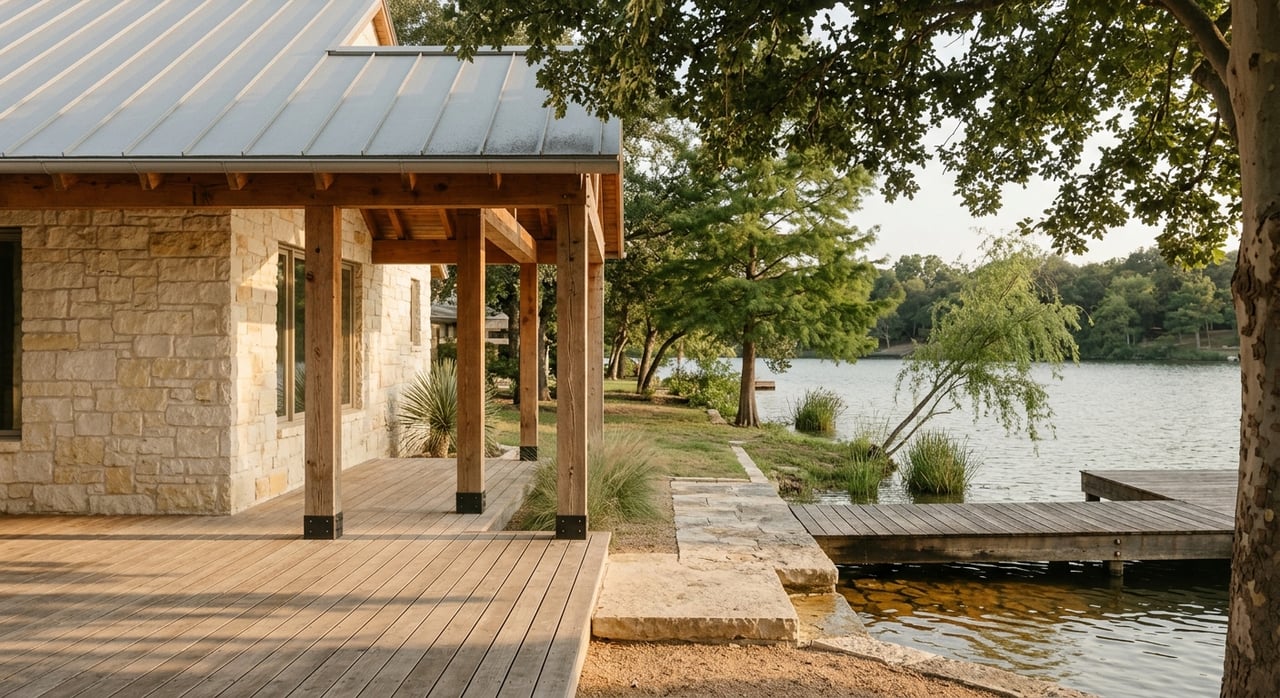
If you are drawn to Llano for its water, open skies, and small-town rhythm, one question matters more than any listing photo: how do you actually want to live day to day? Some buyers want to be close to errands and the historic square. Others picture river access after work or weekends spent on nearby lakes. This guide will help you compare town, river, and lake lifestyles in and around Llano so you can choose with more clarity and confidence. Let’s dive in.
Why Llano feels distinct
Llano County offers a smaller Hill Country setting shaped by waterways, granite landscapes, ranching traditions, and outdoor recreation. As of July 2024, the county had 23,163 residents, and 37.3% of residents were age 65 or older.
That context matters when you begin your home search. You are looking at a market that is relatively small, largely owner-occupied, and closely tied to place, lifestyle, and practical land-and-water considerations.
Town life near downtown Llano
If you want a more routine-friendly setting, in-town Llano may be the easiest fit. The city describes the Historic Business District as the heart of the community, with shopping, living, and entertainment centered around downtown.
The Llano River also runs through town, and Inks Bridge connects historic downtown with the historic rail-yard district. That gives the area a blend of daily convenience and local character that feels different from more spread-out rural properties.
What town living offers
Living near downtown usually means easier access to daily services and civic life. City utility information also shows that municipal water and wastewater service are concentrated in town, which can simplify some of the practical side of homeownership.
For many buyers, that translates into a more straightforward day-to-day experience. If you want to be near shops, community activity, and core services, town may be the most comfortable starting point.
Historic character matters
In-town Llano also comes with a preservation mindset. The city has a Historic Preservation Board that works to protect and enhance historic resources and landmarks.
That does not mean every property will carry the same level of oversight, but it does suggest that historic character and district context may matter more here than in outlying areas. If you love older homes and a sense of place, that can be part of the appeal.
River living along the Llano
For some buyers, the river is the lifestyle. The Llano River is not just a scenic backdrop. It is woven into recreation and daily life in and around town.
Badu Park sits on Lake Llano near historic downtown and includes fishing, swimming, picnic areas, RV spaces, and non-motorized boating. Robinson City Park, about two miles west of downtown, offers river access, fishing, tent camping, showers, and a pool.
The river is part of daily recreation
The river corridor feels active rather than remote. Robinson Park also sits beside the Llano River Golf Course, which reinforces that this area blends recreation with residential appeal.
If you picture regular time on the water, easy access to parks, or afternoons spent fishing or paddling, river-oriented living can be a strong fit. It offers a lifestyle that feels connected to the landscape without requiring a full lake-property setup.
River homes need extra due diligence
The trade-off is that riverfront buying usually requires more careful review. Llano County’s flood damage prevention order uses FEMA and NFIP floodplain concepts, including special flood hazard areas and the 1% annual chance flood standard.
In practical terms, you should verify flood zone status, insurance considerations, and any build or repair permissions before assuming a river lot is low-risk or ready for your plans. That review is not a minor detail. It is a normal part of evaluating river property in this market.
Lake lifestyle near Llano
If your version of Hill Country living includes boating, fishing, and hosting weekends by the water, nearby lakes may be the better match. Around Llano, the most relevant comparisons are Inks Lake, Lake LBJ, and Lake Buchanan, all part of the Highland Lakes system formed by LCRA dams.
Each one offers a slightly different feel. The common thread is a more recreation-driven lifestyle, with more attention to access points, shoreline use, and lake-related maintenance considerations.
Inks Lake for easy recreation
Inks Lake State Park is one of the most weekend-ready options near Llano. The lake level usually stays constant year-round, and the park offers swimming, boating, water skiing, scuba diving, fishing, trails, campsites, and cabins.
If you want predictable water conditions and a strong menu of outdoor activities nearby, this area may stand out. It suits buyers who expect to use the water often, not just admire it from the porch.
Lake LBJ for boating access
Lake LBJ is a 6,432-acre reservoir that stretches 21.15 miles. Public access points include Wirtz Dam/Cottonwood Ramp and Kingsland Lions Park.
For buyers focused on boating and guest-friendly water recreation, that kind of access can be a major advantage. At the same time, TPWD and LCRA note that algae blooms and zebra mussels are present in the Highland Lakes, so boaters are advised to clean, drain, and dry equipment before moving between water bodies.
Lake Buchanan for fishing and rugged recreation
Lake Buchanan often appeals to anglers. TPWD notes excellent striped bass and white bass fishing, and public access is available at Cedar Point Recreation Area and Colorado Bend State Park.
Colorado Bend adds another layer to the lifestyle around Buchanan, with hiking, river access, Gorman Falls, and cave tours. If you want a setting that leans more rugged and outdoors-focused, this lake may deserve a closer look.
Shoreline rules affect ownership
Lake property can come with more than a dock and a view. LCRA states that aquatic vegetation work on lakes Buchanan, Inks, LBJ, Marble Falls, and Travis, as well as rivers and streams in the basin, requires advance approval.
That matters if you are imagining shoreline cleanup, bank work, or improvements after closing. A lake purchase often involves reviewing not only the home itself, but also what is allowed at the water’s edge.
Comparing town, river, and lake living
The right fit often comes down to how you want your week to feel. Convenience, maintenance, and water use all matter.
Here is a simple way to frame the decision:
| Lifestyle | Best fit for | Key considerations |
|---|---|---|
| Town | Buyers who want errands, services, and downtown access | Historic context, in-town lot size, proximity to civic life |
| River | Buyers who want regular water access and park-oriented recreation | Floodplain review, insurance, build and repair considerations |
| Lake | Buyers who prioritize boating, fishing, and weekend retreat use | Shoreline rules, access points, algae and invasive species awareness |
Budget and upkeep in Llano County
Llano County’s housing baseline is modest compared with many Hill Country waterfront markets. The county-wide median value of owner-occupied homes is $356,500. Median monthly owner costs are $1,841 with a mortgage and $625 without one. Median gross rent is $998.
Those numbers are useful for context, but they are only a starting point. They do not fully capture the practical cost differences between an in-town home, a river property, and a lake-oriented purchase.
The median does not tell the whole story
Town properties often trade acreage for convenience. River and lake properties can add costs tied to floodplain diligence, shoreline maintenance, dock or ramp access, and waterbody-related rules.
That does not make one option better than another. It simply means your budget should reflect the way you plan to use the property, not just the purchase price.
How to choose the right lifestyle
When buyers compare Llano, the best answer is rarely just about the map. It usually comes down to how often you expect to use the water and how much hands-on property management you want.
You may want town if your priority is a simpler daily routine with easy access to downtown activity. You may want the river if you see yourself fishing, paddling, or spending regular time near parks and the water. You may want the lakes if boating, recreation, and a retreat-like setting are at the top of your list.
A thoughtful search in this part of the Hill Country should balance lifestyle goals with practical review. That is especially true when floodplain questions, shoreline rules, or water access are part of the picture.
If you are weighing where your Hill Country lifestyle fits best, CC Herber Co., Real Estate offers locally grounded guidance shaped by deep regional knowledge and a steady, consultative approach.
FAQs
What is the main difference between living in town and living on the Llano River?
- In-town living is generally more centered on errands, services, and downtown access, while river living is more focused on water access, parks, and recreation, with added floodplain review during the buying process.
What should buyers know about flood risk for Llano River properties?
- Buyers should verify flood zone status, insurance needs, and any build or repair permissions because Llano County uses floodplain standards tied to special flood hazard areas and the 1% annual chance flood.
Which nearby lakes matter most for a Llano lifestyle search?
- Inks Lake, Lake LBJ, and Lake Buchanan are the most relevant nearby lake comparisons for buyers looking at boating, fishing, and recreation-oriented ownership near Llano.
What makes Inks Lake attractive for weekend use near Llano?
- Inks Lake State Park offers a usually constant lake level plus swimming, boating, fishing, trails, campsites, and cabins, which makes it one of the most recreation-ready options near Llano.
What should buyers know about owning property near Highland Lakes shorelines?
- Buyers should know that shoreline or aquatic vegetation work may require advance approval from LCRA, so plans for bank cleanup or water-edge improvements should be reviewed before purchase.
Is Llano County an expensive housing market by Hill Country standards?
- Llano County’s median owner-occupied home value was $356,500, which provides a baseline, but actual costs can vary widely depending on whether you choose town, river, or lake property.