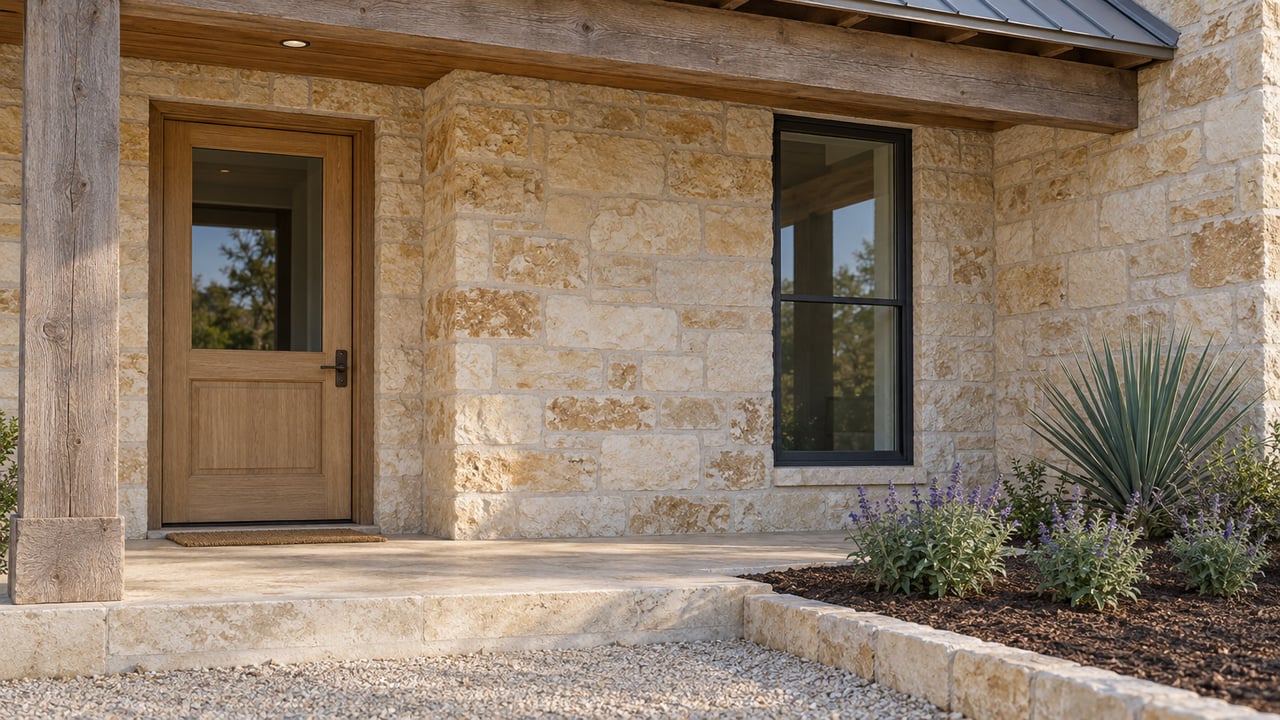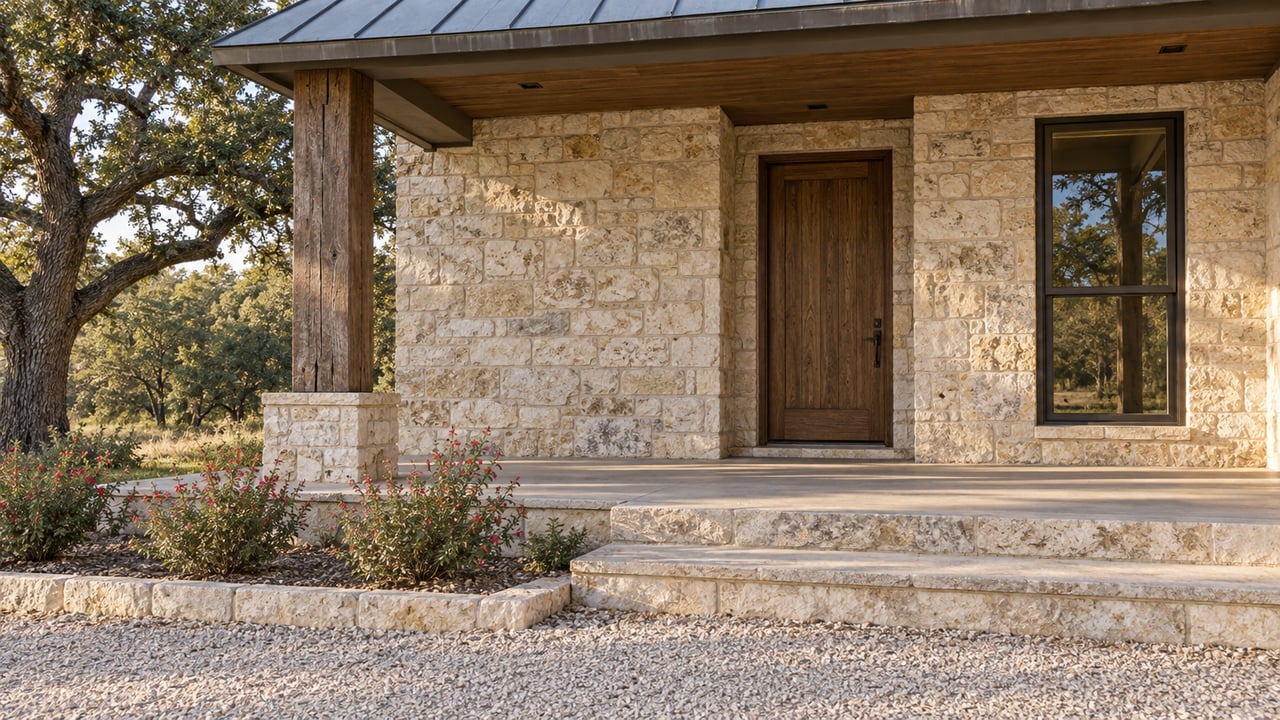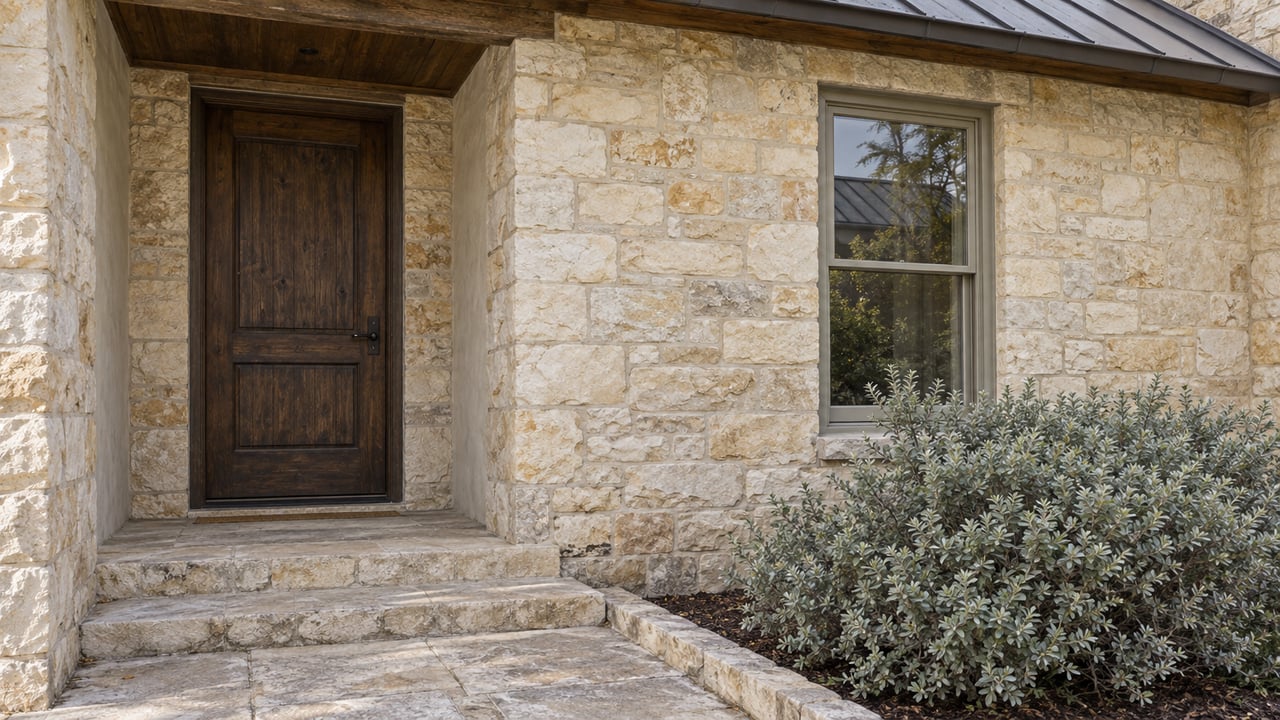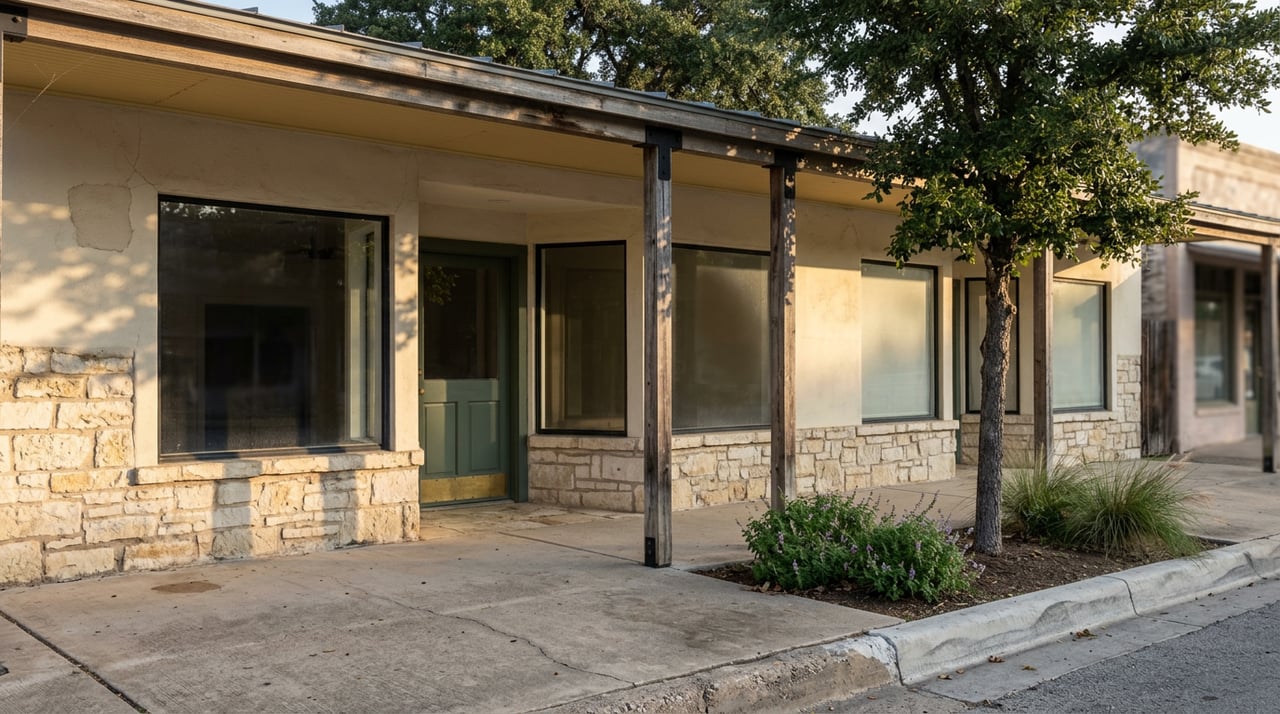
A year ago, if you told someone you were "doing something on Water Street," you meant one thing. Dinner at Francisco's, maybe. A show at the Arcadia. A walk to Louise Hays Park and back. You picked a destination, parked once, and went home.
That's no longer how the street works. Between a museum that took a decade to open, a festival now big enough to shut down two streets, and a run of small businesses reinvesting in the same six blocks, Water Street has quietly become a place where one visit covers what used to take a week of separate trips. That's not a coincidence of timing. It's what happens when a downtown decides, deliberately, to stop being a collection of individual stops and start acting like a single corridor.
The address that took ten years to fill
The newest anchor on the street is the Heart of the Hills Heritage Center, which opened to the public on May 9, 2026, at 529 Water Street. The building itself is the restored A.C. and Myrta Schreiner house, sitting on the Butt-Holdsworth Memorial Library campus with a view down to the Guadalupe River. As the Hill Country Community Journal reported, executive director Angela Kennedy has been shaping the project for years, and the exhibits reflect that patience: a room on the wool and mohair industry that once made this part of Texas the self-described capital of that trade in the 1930s, a display on why the railroad came to Kerrville instead of Fredericksburg, a hundred years of the local camping industry told through former campers' own memories, and a music room covering the Kerrville Folk Festival alongside the juke joints of the historic Doyle Community.
What's easy to miss is how long it took to get here. The idea traces back to 2016, when a group of residents started asking whether the community would support a history museum at all. An 11-member nonprofit board formed, the city eventually acquired the Schreiner house from the Schellhase family and leased it to the project, and renovation didn't start until November 2024. Construction was originally supposed to wrap in October 2025. It didn't finish until the following spring, and the budget grew from a projected five million dollars to around six million, according to Mayor Joe Herring. If you've ever wondered why a single building on Main Street or Water Street seems to take forever to open even after the ribbon-cutting date gets announced, this is what that actually looks like from the inside. Civic projects in a town this size don't move on a marketing timeline. They move on a fundraising and permitting timeline, and the gap between the two is usually measured in years, not months.
The street that closes for real now
If the Heritage Center represents the slow version of downtown investment, the Water Street Festival is the fast version. As the Daily Times reported, it launched in October 2025 after the Main Street Advisory Board spent months polling residents about whether they wanted a downtown event at all. Chairperson Delayne Sigerman has described the origin plainly: the group wanted something tied to the river, and because the city would need to close Water Street to hold it, they built the name around that closure. Earl Garrett Street closes too, specifically to keep the footprint walkable.
The second annual festival is set for October 24, 2026, and the zone map tells you more about the state of downtown than any single opening ever could. Storefronts and patios up and down the street each take on a role for the day:
- Il Posto runs a full bar
- Off Main Brewing and Divine's Sports Bar each set up outdoor beer gardens
- Francisco's and Turtle Creek Olives and Wine host patio parties with full menus
- Vecino's serves local street food
- Grape Juice pairs its patio with an art exhibit
- Pax handles coffee, Rita's handles tacos
- Clint Orms runs a whiskey tasting alongside a golf putt challenge
- Hill Country Atelier offers studio tours with wine tasting
- The Kerr Arts and Cultural Center hosts a free plein air painting exhibit
- Arcadia Live adds live music and historic theatre tours to its usual programming
That's not a list of separate businesses tolerating a street closure for one day. It's a working map of a corridor that already functions together. A festival like that doesn't happen on a strip where the shops don't already know each other.
The shops came back on their own
The festival didn't create the momentum. It formalized momentum that was already showing up business by business. Water Street Antique Co. held a ribbon-cutting to celebrate its reopening in downtown Kerrville last October, the kind of return that doesn't make national news but matters enormously to anyone who walks that block regularly. And a few storefronts over on Main Street, city staff have been reviewing a site plan for a new Panda Express location, positioned near the new Frost Bank building between Quinlan and Clay streets. As of this past spring, no building permit had been filed yet, so don't expect construction to start tomorrow. But the fact that a national chain sees enough foot traffic on that stretch of Main to submit a plan at all tells you something about where downtown Kerrville's daily activity has been trending.
None of this required a subsidy program or a headline redevelopment announcement. It's a museum that a decade of local fundraising finally delivered, a festival built from resident polling rather than a marketing plan, and small businesses choosing to reinvest in storefronts they already had. That's a slower, less dramatic kind of growth than a big project breaking ground, but it's also the kind that tends to stick.
One walk, not six trips
Here's the actual shift worth noticing if you already live in Kerrville. A year ago, a weekend downtown meant choosing your one thing: the antique shop, or dinner, or a walk by the river, or whatever happened to be showing at the Arcadia. Now you can start at the library end of Water Street at the Heritage Center, work your way down past the reopened antique shop, and land in the middle of a street that, at least one Saturday this fall, will have businesses and organizations running coordinated programming at once. The distance between those stops hasn't changed. What's changed is that they're finally acting like they're on the same street, because for years, functionally, they weren't.
If you're the kind of person who tracks these things because you've lived here long enough to remember when Water Street felt like six unrelated businesses instead of one corridor, this is worth watching. Downtown Kerrville isn't being built from the top down. It's being stitched together storefront by storefront, and this year is the first time you can actually see the seams line up.
If you ever want to talk about what any of this means for property along that corridor, or anywhere else in the Hill Country, the team at CC Herber Co. has been doing business a few blocks from all of it for a long time. Schedule a consultation whenever you're ready.