Choosing between a home near Mason’s courthouse square and a place out in the country is not just about how much land you want. It is really a choice about daily routines, property systems, and the kind of lifestyle you want to build in Mason County. If you are weighing both options, this guide will help you compare in-town convenience with ranch-style ownership so you can make a more confident decision. Let’s dive in.
Mason Living Starts With Setting
Mason has a distinct local pattern. The historic courthouse square is the civic and social center of town, and the Chamber describes it as a two-block square that serves as a hub for shops, cafes, and local landmarks.
That compact core shapes the in-town experience. Outside town, the landscape shifts toward open-space land uses that Mason County identifies through categories like native pasture, improved pasture, wildlife management tracts, and other ranch-style holdings.
In simple terms, these are two very different ownership experiences. One gives you a home tied more closely to city services and downtown activity. The other may offer more land and outdoor use, but it often comes with more hands-on management.
What In-Town Mason Feels Like
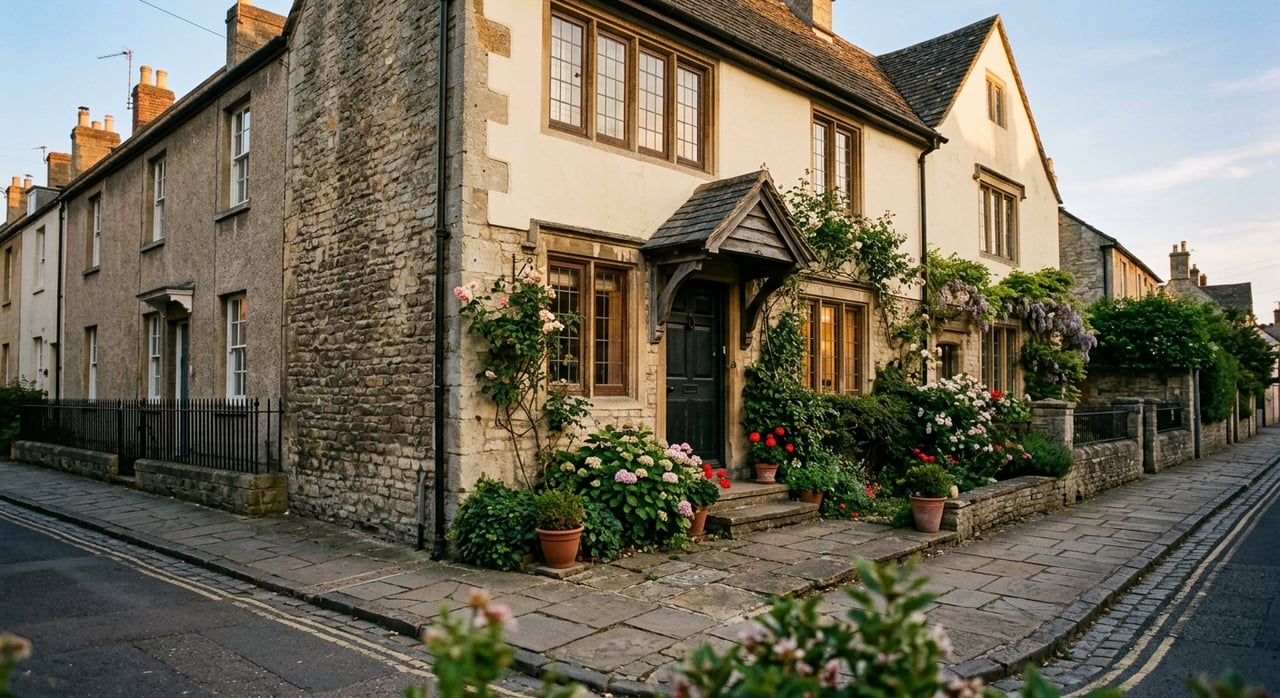
Living in town usually means being closer to Mason’s everyday activity. The square is home to community touchpoints like the Chamber office and the Mason Square Museum, and the annual calendar includes events such as the Roundup Rodeo, Parade, Festival, mixers, and other gatherings.
If you like the idea of shorter trips for coffee, shopping, museums, or local events, that location can be a real advantage. Daily life tends to feel more connected to the town center because so much community activity is concentrated around the square.
For many buyers, that rhythm is a big part of the appeal. You are not just buying a house. You are choosing easier access to the places and events that shape local life in Mason.
City Services Support Daily Life
One of the clearest benefits of in-town living is public infrastructure. The City of Mason provides water and wastewater service and maintains departments for solid waste, recycling, streets, code enforcement, and related municipal functions.
That matters because it can reduce the number of private systems you need to manage yourself. Instead of handling every piece of property infrastructure independently, you may be relying more on city-backed services.
The city also publishes ordinance and utility information for properties inside city limits, including subdivision rules and an outdoor-burning ordinance. That gives buyers a more defined framework for what ownership looks like in town.
Convenience Can Be a Major Advantage
In-town living often fits buyers who want simpler day-to-day property logistics. The city’s recycling department accepts cardboard, aluminum cans, steel cans, certain freon appliances, batteries, and used motor oil.
That may sound like a small detail, but it reflects a broader point. In-town ownership can come with practical convenience that saves time and reduces the need for private disposal or land-intensive cleanup arrangements.
For busy homeowners, second-home owners, or buyers who want a more streamlined setup, those details can add up quickly.
What Ranch Life in Mason County Means
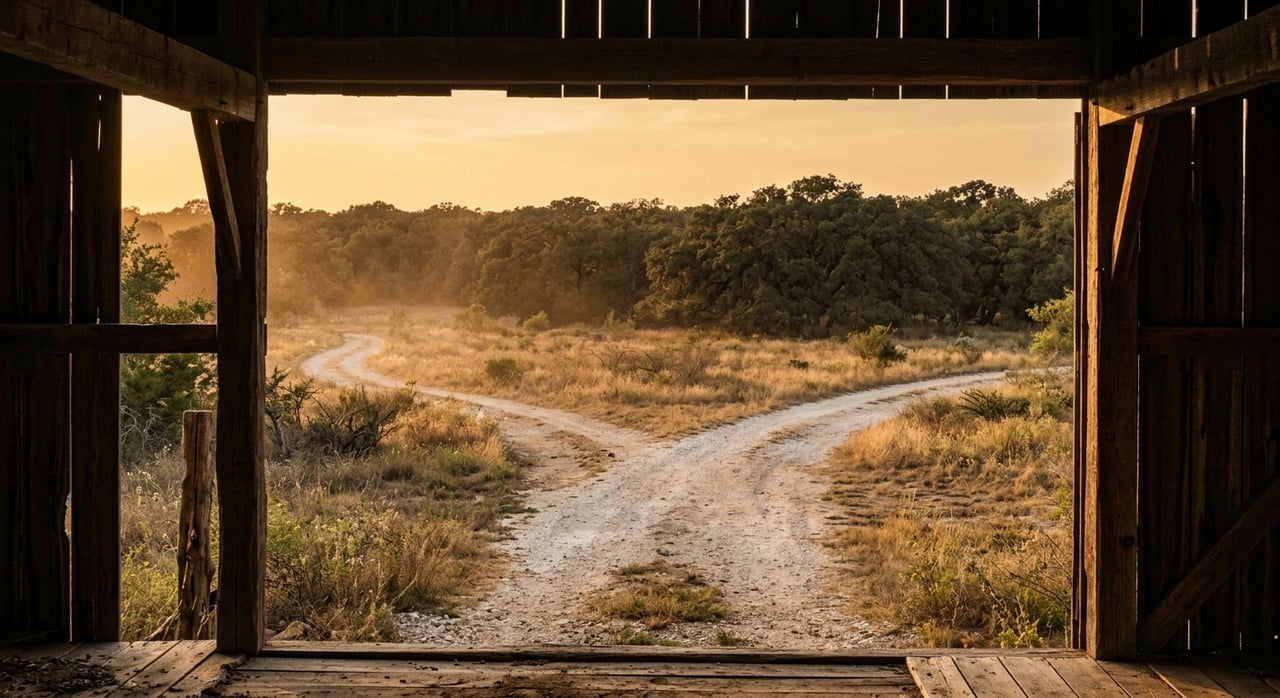
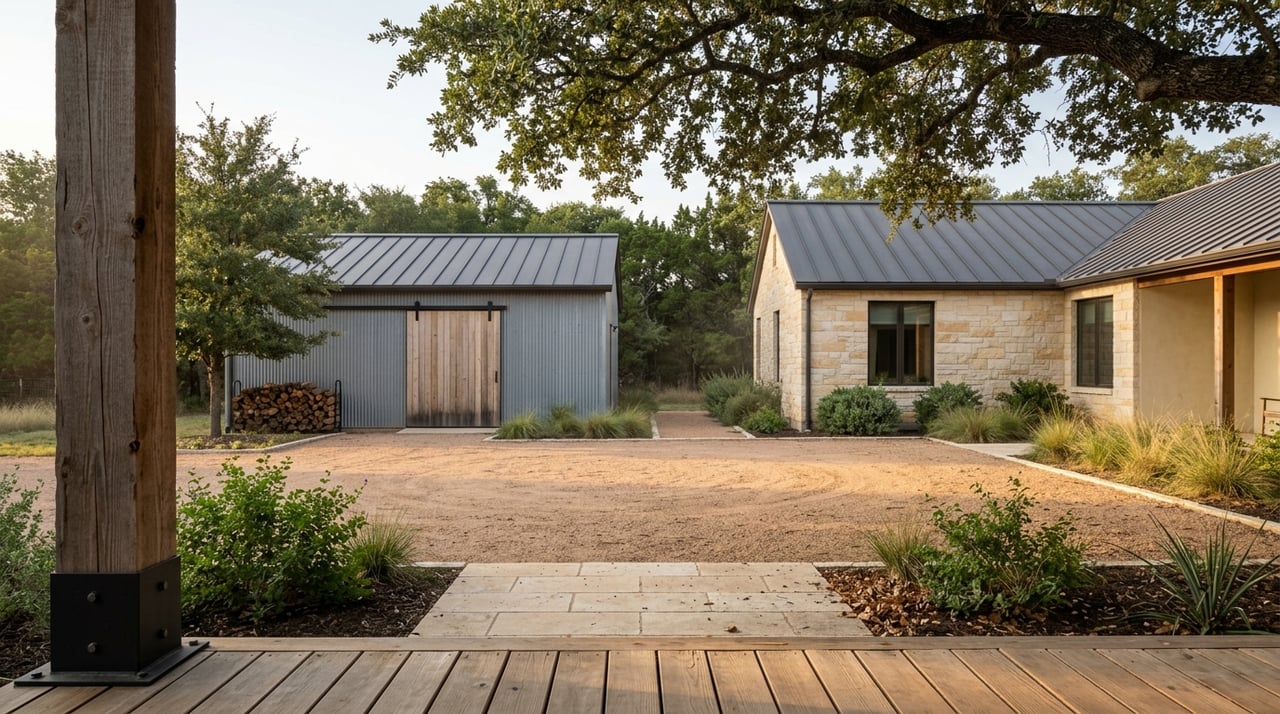
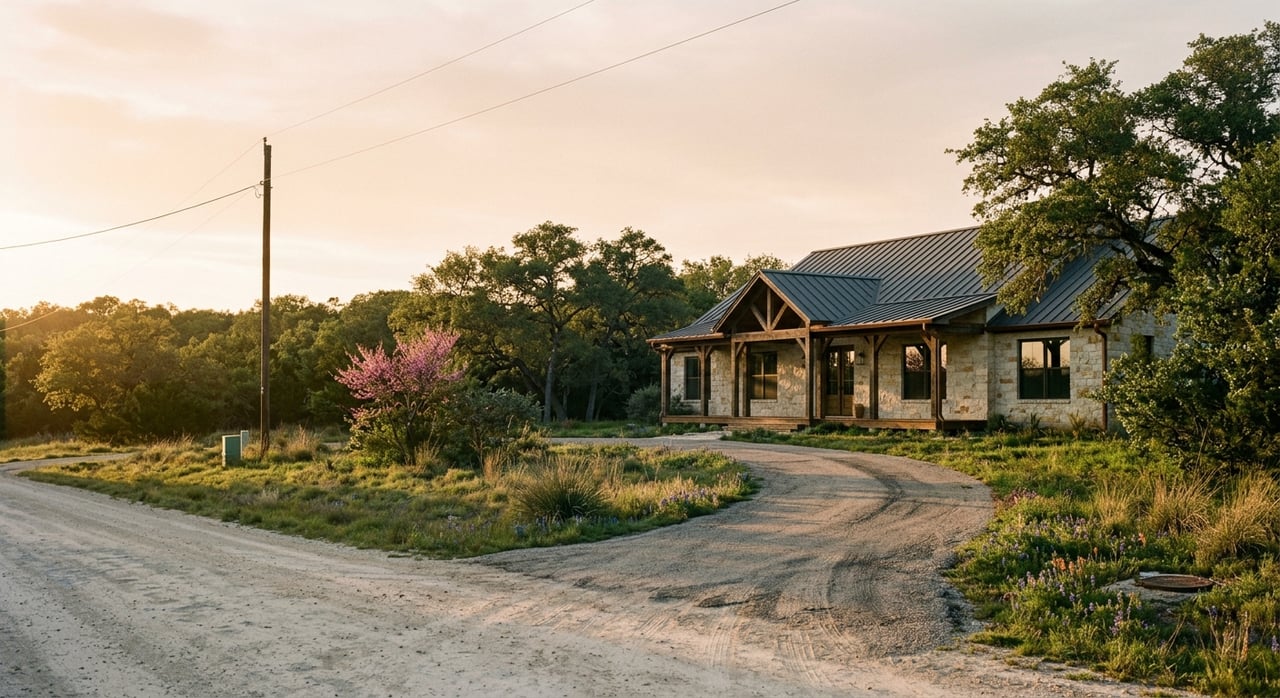
Country property in Mason County can be appealing for very different reasons. If you want separation from town, outdoor use, and the long-term stewardship that comes with land ownership, acreage or ranch property may be a better fit.
But it is important to understand that rural ownership is not just in-town living with more space. It can involve a different tax framework, different infrastructure, and a greater level of ongoing management.
That is especially true if the property is tied to agricultural use or wildlife management. In Mason County, land history and land use matter just as much as acreage.
Rural Property Has Different Tax Rules
Mason CAD’s agricultural and wildlife management policy makes this clear. Qualified open-space land must be devoted principally to agricultural use for five of the preceding seven years, and the appraised value is based on the land’s use rather than market appreciation.
The same policy says that agricultural value applies to land, not structures. It also notes that appurtenances such as wells, ditches, stock tanks, and roads are included in the land value rather than appraised separately.
This can make a major difference in how a rural property is evaluated. If you are buying country property with future agricultural or wildlife use in mind, you should confirm how the tract is currently classified and what history supports that classification.
Not Every Acreage Tract Is a Ranch
This is one of the most important distinctions for buyers. Mason County’s guidelines say that small acreage tracts under 20 acres with a residence are generally considered principally residential.
That means a home on a few acres outside town may not function like a true ranch property from a tax or land-use standpoint. A country address does not automatically mean the land will be treated as agricultural or wildlife property.
If the property is in wildlife management, there is also an annual reporting requirement to the chief appraiser. So before you buy, it is worth looking beyond the listing description and verifying the actual land-use framework.
Country Living Often Means More Private Systems
Rural ownership often comes with more infrastructure responsibility. Texas landowners are responsible for managing private wells, and Texas A&M AgriLife recommends keeping records and testing well water at least once a year.
Septic is another major factor. The Texas Commission on Environmental Quality describes septic systems as on-site sewage facilities that may be subject to local-authority rules, which means buyers should verify system details before closing and plan for ongoing upkeep afterward.
This does not make country property a poor choice. It just means you should go in with clear expectations about maintenance, verification, and long-term care.
Land Stewardship Is Part of the Lifestyle
Ranch or acreage ownership in Mason County often includes outdoor management decisions. Texas A&M Forest Service notes that vegetation control may require recurring mechanical work, and wildfire preparedness involves identifying priority areas, water sources, fences, and gates.
That guidance reflects a bigger truth about rural living. Land does not usually stay on autopilot. It often requires planning, upkeep, and a willingness to actively steward the property over time.
For some buyers, that is exactly the appeal. If you want a stronger connection to the land and the responsibilities that come with it, country life may be the better match.
Water Matters in Mason County
Water is a local consideration whether you are buying in town or outside city limits. Mason County is within Hickory Underground Water Conservation District No. 1, which makes groundwater an important local topic.
In town, you may rely more on city utility systems. Outside town, buyers should be especially careful to verify the water source, well details, and any practical issues tied to ongoing use and maintenance.
This is one reason rural due diligence matters so much. Water is not just a line item on a property summary. It is a core part of how the property functions.
How to Choose Between In-Town and Country
If you are deciding between the two, it helps to focus on your day-to-day priorities rather than just square footage or acreage. The best fit usually comes down to how you want to live and what level of property involvement you want.
Here is a simple Mason-specific way to think about it:
- Choose in-town Mason if you want to be near the square, enjoy local events, and rely more on city services.
- Choose country acreage if you want more separation, outdoor use, and a property that supports long-term land stewardship.
- Before buying either one, confirm utility source, city-limit status, well or septic details, and any agricultural or wildlife classification paperwork.
Neither option is better for everyone. The right choice is the one that matches your lifestyle, your comfort with property systems, and your long-term goals in Mason County.
Why Local Guidance Matters
In a market like Mason, small details can shape the ownership experience in a big way. A property’s location relative to the square, its city-limit status, its utility setup, and its land-use history can all affect how it lives after closing.
That is why buyers benefit from clear, locally grounded guidance. When you understand the practical differences between in-town homes and country tracts, you can look past the surface and choose a property that truly fits the way you want to live.
If you are comparing homes near Mason’s square with acreage or ranch property outside town, CC Herber Co., Real Estate can help you evaluate the details with a local, thoughtful approach.
FAQs
What is the main difference between in-town living and ranch life in Mason, Texas?
- In-town living usually means closer access to Mason’s courthouse square and more reliance on city services, while ranch life outside town often means more land, more separation, and more private property systems to manage.
What city services are available for in-town homes in Mason?
- The City of Mason provides water and wastewater service and maintains services such as solid waste, recycling, streets, and code enforcement for properties inside city limits.
What should buyers verify before purchasing country property in Mason County?
- Buyers should confirm the water source, well details, septic information, city-limit status if relevant, and any agricultural or wildlife classification paperwork tied to the land.
Can a small acreage property outside Mason qualify as ranch land?
- Mason County guidelines say small acreage tracts under 20 acres with a residence are generally considered principally residential, so acreage alone does not automatically make a property a ranch holding.
Is Mason’s courthouse square still the center of community life?
- Yes, the square remains a major civic and social hub, with shops, cafes, landmarks, the Chamber office, the Mason Square Museum, and community events tied to that downtown area.
What maintenance responsibilities come with rural property in Mason County?
- Rural owners may need to manage private wells, maintain septic systems, handle vegetation control, and plan for land stewardship issues such as wildfire preparedness and access to water sources, fences, and gates.