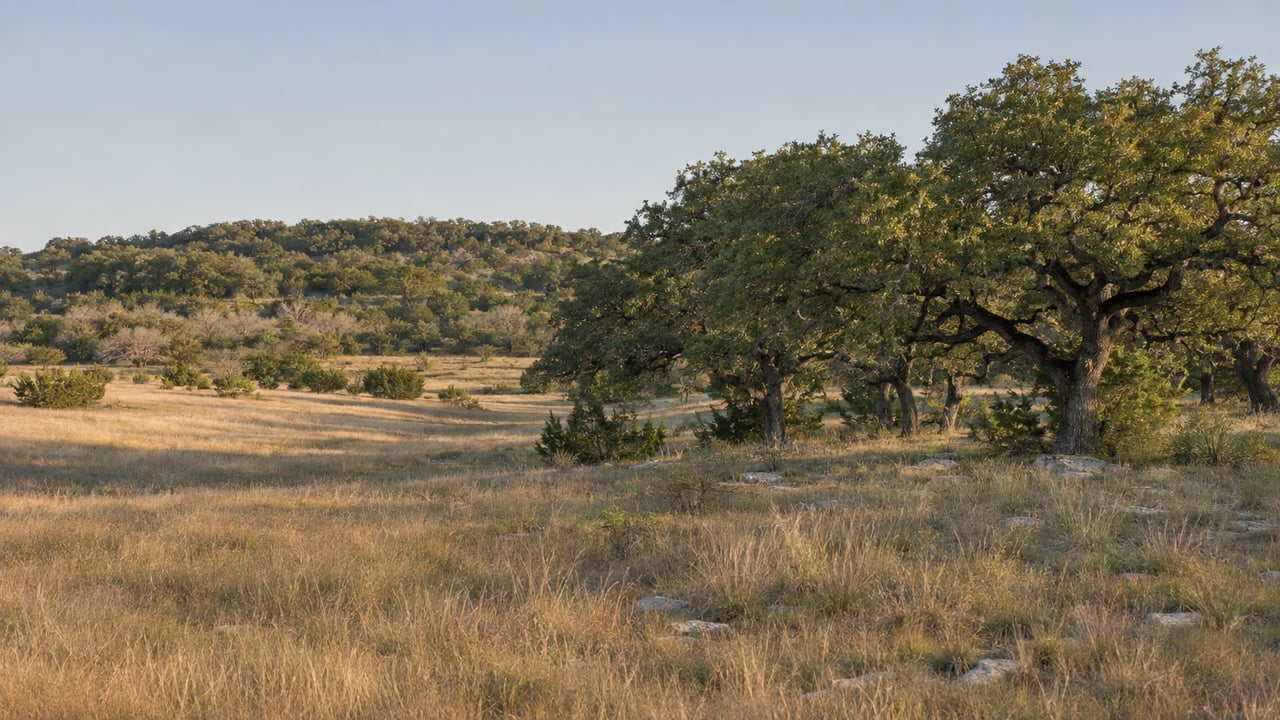
Buying Hill Country acreage near Stonewall can feel exciting until one question stops you: how do you legally reach the land? Access easements are common across Gillespie County and they can shape your plans, your budget, and even your ability to finance. With a little clarity, you can spot issues early and move forward with confidence.
This guide breaks down what access easements are, where to confirm them, the key questions to ask, and who to contact locally. You will leave with a simple checklist you can use on your next showing. Let’s dive in.
Easement types on rural Stonewall acreage
Ingress/egress easements
An ingress/egress easement is the most common access tool for rural tracts without direct public road frontage. It gives you the right to use a road or driveway across another parcel. In Gillespie County, you will see express recorded easements, implied easements from prior use, easements by necessity for landlocked tracts, and prescriptive easements from long-term adverse use. Pay attention to width, surface, gates, vehicle weight limits, maintenance duties, and whether access is shared or exclusive.
Utility easements
Utility easements allow providers to install and maintain electric, water, sewer, telephone, or fiber lines. They are usually recorded and may show as ribbons along road frontage on surveys or plats. Expect restrictions on building within the easement area and occasional crew access for maintenance. Overhead or buried lines can influence where you place a home or barn.
Pipeline and transmission corridors
Pipeline and transmission easements authorize oil, gas, petroleum product lines, or electric transmission lines across land. They can allow heavy equipment access and may include surface-use rules. Review compensation history, safety setbacks, and the recorded language that controls rights and obligations.
Conservation or agricultural restrictions
Some properties carry conservation or agricultural deed restrictions aimed at preserving open space or agricultural use. These can affect where you place driveways or how you improve a road. Confirm whether approvals are required before grading or paving.
Appurtenant vs. in gross
An appurtenant easement benefits another parcel and generally runs with the land when sold. An easement in gross benefits a person or company, such as a utility provider, and is not tied to a specific neighboring tract. The distinction affects who can use the easement over time.
Temporary access licenses
Short-term construction or access licenses are permissions, not permanent rights. They are often unrecorded and can cause confusion if long-term use is assumed. Do not rely on a temporary license for permanent access.
Where to confirm easements in Gillespie County
Title commitment
A title company’s commitment lists the recorded items that will remain on title, including easements. Review the Schedule B exceptions closely. This is the most consolidated snapshot of encumbrances you will inherit at closing.
Gillespie County Clerk’s records
The County Clerk maintains recorded deeds, easements, plats, and releases. Recorded easement instruments typically include the parties, a legal description, and field notes. Pull the chain of title to see how rights were created and whether anything was later released.
Survey and ALTA/NSPS survey
A current boundary survey shows the physical location of roads, gates, fences, utility lines, and recorded easements. It can reveal gaps between the record and what exists on the ground. For larger or more complex tracts, request an ALTA/NSPS survey if your lender requires it or you want extra detail.
CAD and county GIS maps
The Gillespie County Appraisal District and county GIS maps help you view parcel boundaries, tax IDs, and road alignments. Treat these tools as a starting point, not a substitute for recorded instruments or a certified survey.
Plats and subdivision records
If the tract lies within a platted subdivision, the plat may show dedicated streets, access easements, and building setbacks. Review any related covenants for road and maintenance rules.
TxDOT for Farm‑to‑Market routes
For parcels fronting a Farm‑to‑Market road, confirm the width of the state right of way and any driveway permit requirements with TxDOT. Setbacks and access rules may apply along state-maintained routes.
County engineer and commissioners court
To determine whether a road is public and county-maintained or private, confirm with the county engineer or the commissioners court records. Maintenance status impacts your ongoing costs and service access.
Utility providers and co‑ops
Ask local providers for any easements they hold on the parcel and the location of lines or poles. These easements are typically recorded with the County Clerk.
How to read what you find
Focus on recorded language
Easement documents control the fine print. Look for clear rights granted, permitted uses, width, the exact location, and any authority to grade, pave, or install drainage. Confirm whether the easement is exclusive or shared and whether it benefits other parcels.
Understand title exceptions
If an easement appears on the title commitment as an exception, the title insurer will not cover over those rights. If an exception is unclear or overly broad, ask the title company and your attorney about options such as partial releases, subordination, or endorsements.
Compare survey to on‑the‑ground conditions
If the road in use is not shown as a recorded easement on the survey, note the discrepancy. Long-used but unrecorded roads can create prescriptive claims or neighbor disputes. Ask your surveyor and a Texas attorney how to proceed.
Due diligence checklist before you offer
Documents to request
- Current deed plus recent prior deeds in the chain of title.
- Recorded easement documents for ingress/egress, utilities, pipelines, or conservation.
- Title commitment with Schedule B exceptions.
- Most recent boundary survey, or order a new one with the surveyor’s certification date.
- Plat map and subdivision covenants if applicable.
- HOA or road association agreements if the tract uses a private road.
- Any road maintenance or cost-sharing agreements.
- Proof of access to a public road if claimed.
Questions to ask
- Is access public or via a private easement, and who holds it?
- Is the easement recorded, with a document number or book and page?
- What is the width, location, and legal description of the easement?
- Is it exclusive or shared, and does it serve other parcels?
- Who maintains the road, and how are costs split?
- Are there gates, cattle guards, or locks, and who controls access?
- Are there surface-use limits, weight limits, or seasonal restrictions?
- Any known disputes, encroachments, or third parties using the road without permission?
- Any notices from TxDOT, the county, or a utility about encroachments or changes?
- Will your lender accept the access type for financing?
- Are utility easements recorded to bring power, water, or internet to the site?
Red flags to watch for
- No recorded document for a road that has been used for years by verbal agreement only.
- Several parcels using an unmaintained road with no cost-sharing plan.
- Vague or hand-written descriptions that do not fix a clear location or width.
- Fences, gates, or structures that block a recorded easement.
- Easement crossing steep slopes, floodplain, or seasonal creeks that may be impassable.
- Pipeline or transmission easements that limit surface use in key building areas.
Simple request wording you can use
- “Please provide copies of any recorded ingress/egress easements and road maintenance agreements.”
- “Please share the most recent boundary survey with the surveyor’s certification date.”
- “Please provide the title commitment and Schedule B so I can review all easements and restrictions.”
- “If the listing claims public frontage, please provide county or TxDOT confirmation of the road’s status.”
Access along ranch roads and FM routes
Public roads vs. private easements
On rural tracts, you may see a mix of FM routes, county roads, and private ranch roads. Confirm which category applies to your access. Private access is common near Stonewall, and while it can work well, lenders and insurers often prefer recorded, direct public access.
Maintenance and cost allocation
Many easements place road upkeep on the benefiting owners or a road association. Clarify who pays and how costs are split, whether by parcel, by acreage, or equally. Unpaved ranch roads usually need periodic grading and drainage work, especially after heavy rains.
Gates, livestock, and emergency services
Gates are common. Confirm who controls locks or codes and how emergency services will gain entry. Ask about 911 addressing and whether delivery and mail service have any special procedures without public frontage.
Upgrading a road
If you plan to improve a gravel road, confirm that the easement allows grading, culverts, and surfacing. If the road touches a state or county right of way, you may need permits. Coordinate changes with other easement users and any utility holders.
Financing, insurance, and resale
Some lenders will not lend on a tract without acceptable, recorded access to a public road. Others accept access by a recorded easement if it is clear and insurable. Title insurance typically excludes items listed in Schedule B, so you may need to resolve or insure around access issues for closing. Clear, recorded access is more marketable at resale.
Build a clean property file
Use this quick list to organize what you collect during due diligence:
- Parcel legal description and tax ID from the appraisal district.
- Copy of the current deed and the last two to three conveyances.
- Title commitment with Schedule B exceptions.
- Recorded easement instruments for access, utilities, pipelines, or conservation.
- Most recent boundary or ALTA/NSPS survey, or an order for a new survey.
- Written confirmation of public road status from the county or TxDOT if claimed.
- Road maintenance agreements or road association bylaws.
- Contacts for local utilities and the county engineer.
- Notes from site visits on road width, gates, culverts, surface, and creek crossings.
Next steps for Stonewall land buyers
Access affects more than convenience. It shapes development options, ongoing costs, financing, and long-term value. The most reliable way to protect yourself is to pair recorded documentation with a current survey, then bring in a Texas real estate attorney and a licensed surveyor if anything is unclear or disputed.
If you would like a local, hands-on approach to navigating easements near Stonewall and across Gillespie County, we can help you gather documents, coordinate with title and survey, and keep your purchase on track. Reach out to CC Herber Co., Real Estate to discuss your goals and schedule a consultation.
FAQs
What is an ingress/egress easement in Gillespie County?
- It is a recorded right to travel across another property to access your land, with terms that typically set width, location, use, gates, and maintenance.
How do I verify if a Stonewall road is public or private?
- Confirm with the Gillespie County engineer or commissioners court records; do not rely on maps alone, since CAD and GIS are not substitutes for official records.
Can I finance land in Stonewall with private easement access?
- Many lenders require acceptable, recorded access and may approve a clearly documented easement, while some prefer direct public frontage and will not lend without it.
Who maintains a shared ranch road serving my tract?
- Maintenance is usually defined by the easement or a road association agreement, which can split costs by parcel, by acreage, or equally among users.
What if a long-used access road is not recorded?
- Unrecorded use can create risk, including potential prescriptive claims or disputes; consult a Texas real estate attorney and your surveyor to evaluate options.
Do I need a new survey before closing on acreage?
- A current boundary survey is strongly recommended to show easements, fences, and road location, and to reconcile any gaps between the record and on-the-ground use.